Ingredients
- 1/2 lb beef or lamb, cut into small 1/2-inch cubes (optional)
- 3 tablespoons olive oil
- 1 large yellow onion, 2 celery stalks, and 3 cloves garlic, finely diced
- 1 cup chopped fresh cilantro and 1/2 cup chopped fresh parsley (leaves and tender stems)
- 2 tablespoons tomato paste
- 1 can (14 oz) crushed tomatoes
- 1 teaspoon each ground turmeric and ground ginger
- 1/2 teaspoon ground cinnamon and 1 teaspoon black pepper
- 1/2 cup brown lentils, rinsed
- 1 can (15 oz) chickpeas, drained and rinsed
- 6 cups water or light beef/vegetable broth
- 1/2 cup broken vermicelli (or orzo)
- 3 tablespoons all-purpose flour whisked with 1/2 cup water (the tedouira)
- Lemon wedges, for serving
Instructions
Heat the olive oil in a large pot over medium heat. Add the onion and celery and cook for 6–8 minutes until soft and golden at the edges.
Add the meat (if using) and brown it with the vegetables for 3–4 minutes, then stir in the garlic, half the cilantro, and all the parsley. Cook for 1 minute until the herbs are very fragrant.
Add the tomato paste, turmeric, ginger, cinnamon, and pepper. Stir constantly for 1 minute to bloom the spices.
Pour in the crushed tomatoes and cook for 3–4 minutes, stirring, until the sauce darkens and the raw tomato smell cooks off.
Add the lentils, chickpeas, water or broth, and a generous pinch of salt. Bring to a boil, then cover partially and simmer gently for 35 minutes, until the lentils are tender and the meat (if using) is cooked through.
Stir in the vermicelli and simmer uncovered for 8–10 minutes, until the noodles are soft and the soup has thickened.
Give the flour-water slurry a final whisk and drizzle it into the simmering soup in a thin stream, stirring constantly. Simmer 3–4 minutes more until the broth turns silky and slightly thickened. Season with salt.
Stir in the remaining cilantro and serve hot with lemon wedges for squeezing over each bowl.
Tips for Success
- The tedouira (flour slurry) is what separates real harira from ordinary tomato-lentil soup. Whisk it smooth before adding and pour slowly to avoid dumplings.
- Break the vermicelli into short pieces before adding — it makes the soup spoonable instead of twirly.
- Harira improves overnight. Cook it a day ahead, and add the vermicelli and slurry fresh when reheating for the best texture.
Cook's Notes: what to watch for
- The pitfall: Dumping the tedouira in all at once. The flour-water slurry instantly forms raw flour dumplings if poured fast; it must be whisked smooth again right before use and drizzled in a thin stream while the soup stirs constantly.
- The step that matters most: The slurry step matters most — it is what separates harira from ordinary tomato-lentil soup, transforming the broth into the silky, slightly thickened body the dish is known for. A thin stream, constant stirring, then 3–4 more minutes of simmering to cook out the flour taste.
- The quirk: The vermicelli keeps drinking broth after the pot comes off the heat — harira that looked spoonable at dinner is porridge-thick by morning. Loosen with hot water or broth when reheating, and only add noodles and slurry fresh each time.
Perfect pairings
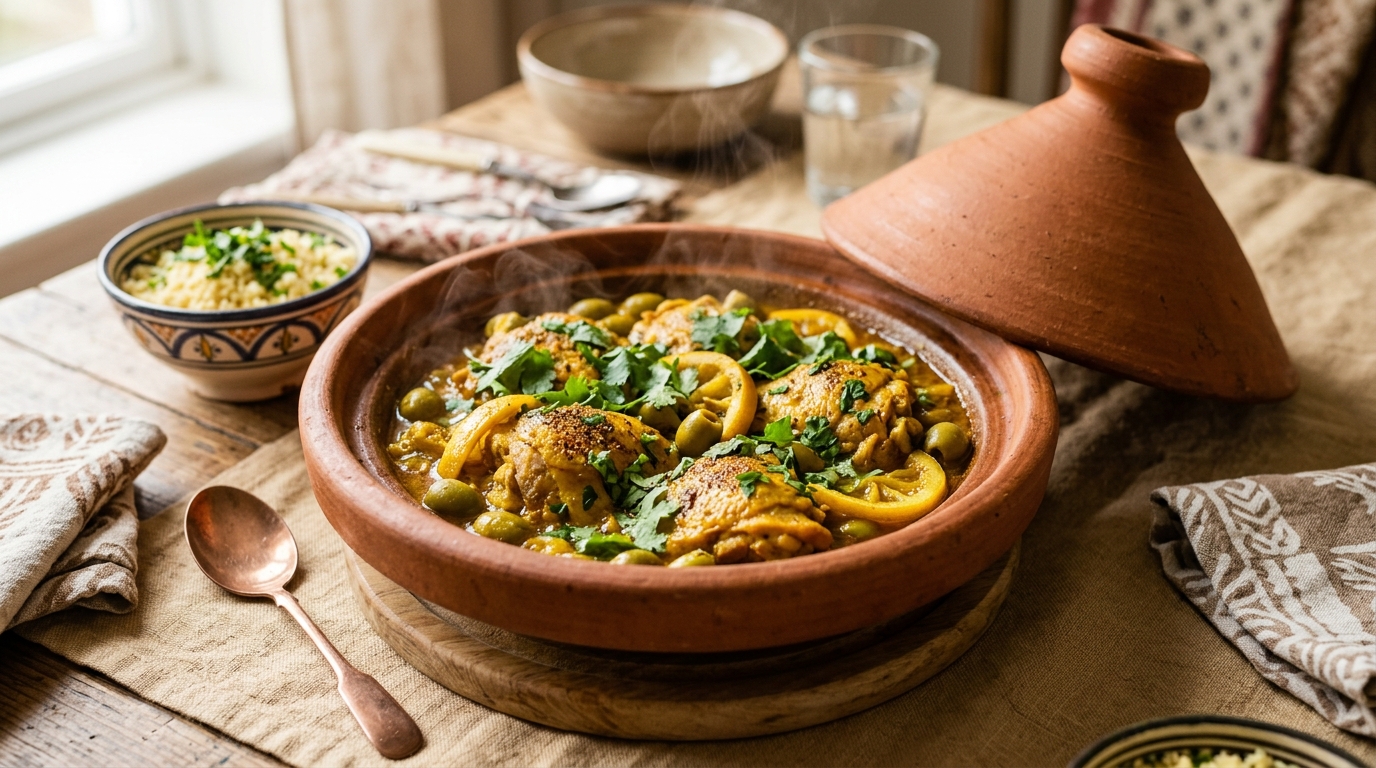
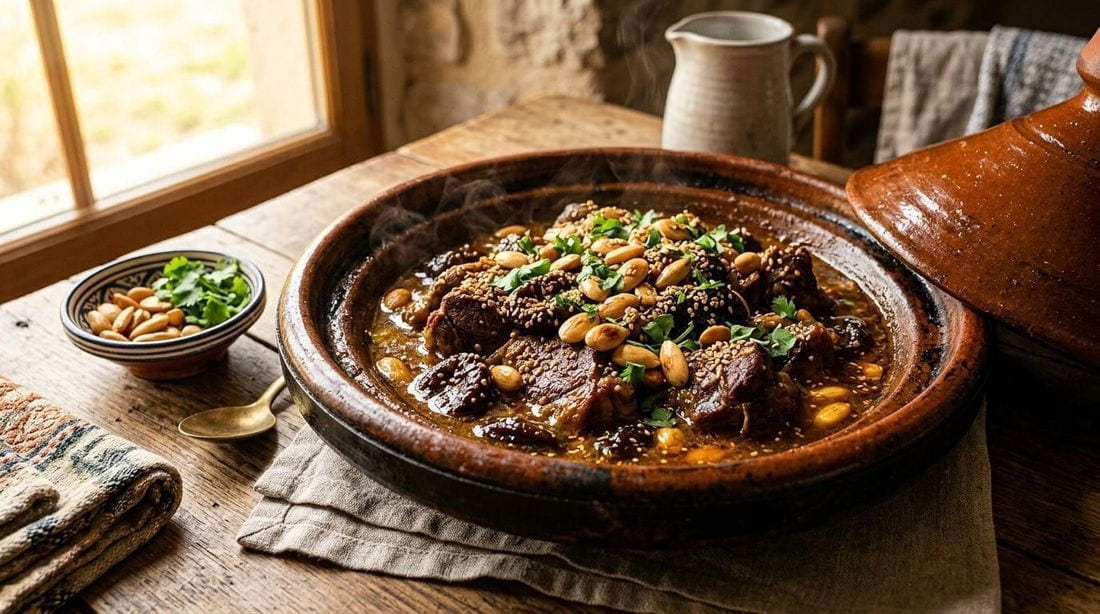
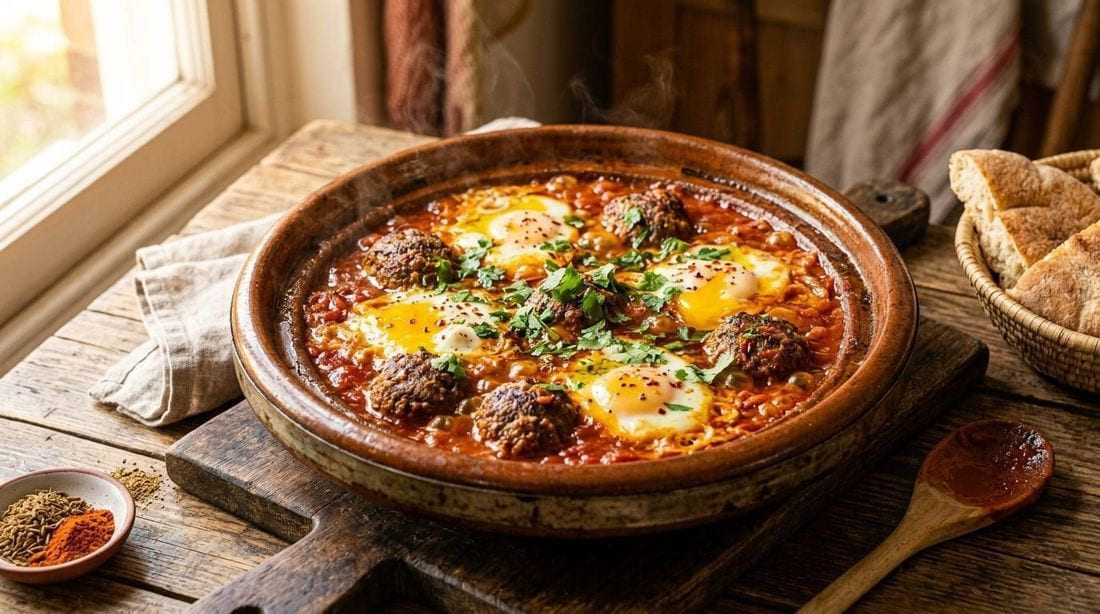
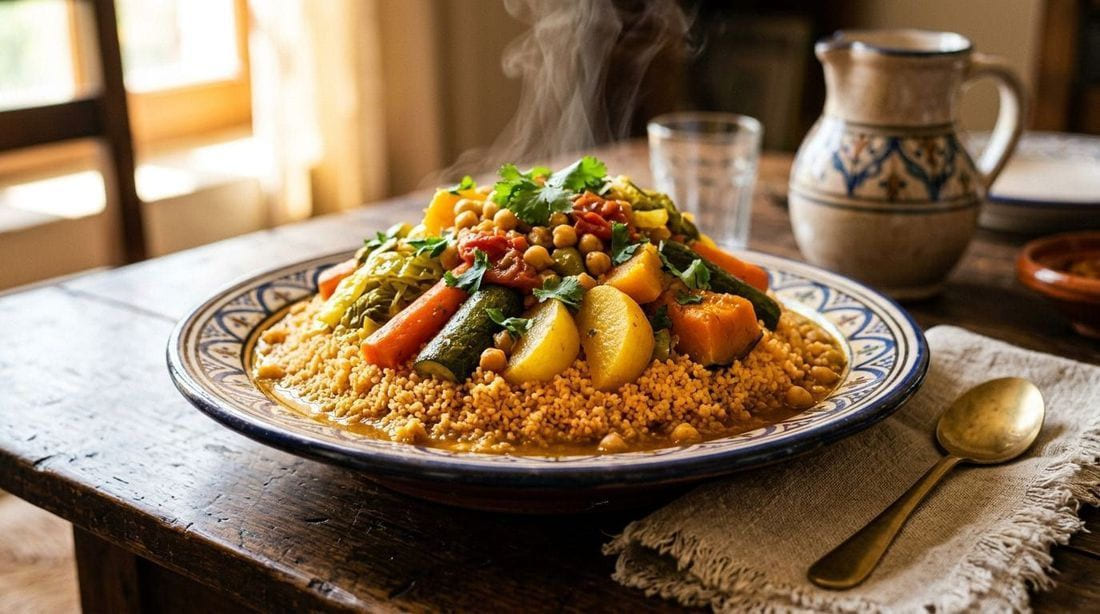
These recipes belong on the same table — cook them together for a full spread, or swap in a variation next time.
Frequently Asked Questions
Can I make harira vegetarian?
Yes — skip the meat entirely and use vegetable broth. The lentils, chickpeas, and herbs carry plenty of body and protein; many Moroccan households make it meatless year-round.
Can I use dried chickpeas?
Absolutely. Soak 3/4 cup dried chickpeas overnight and simmer them with the soup from the start, adding about 1 cup extra water and 15 minutes of cooking time.
What if I cannot find vermicelli?
Orzo, tiny pastina, or even a handful of crushed angel-hair pasta all work. Traditional Moroccan shops sell vermicelli sold specifically for harira, but any thin pasta is fine.
Why is my harira thin and watery?
It needs the final thickening step. Make sure the flour slurry is well whisked, add it to a actively simmering soup, and give it 3–4 minutes to work — it thickens as it boils.
How do I thicken harira without flour?
Mash a cup of the cooked lentils and chickpeas against the side of the pot and stir them back in — it thickens naturally and adds body. Traditionally, a slurry of flour and water (tadkira) is whisked in at the end; either works.
Can I freeze harira?
Yes, up to 3 months. The lentils soften further on thawing, so slightly undercook them if you plan to freeze. Reheat gently and add a squeeze of lemon to brighten it back up.
Can I make this in a pressure cooker?
Yes. Sauté the aromatics and meat on sauté mode, add everything else, and pressure cook on high for 15 minutes with a natural release. Soak dried chickpeas beforehand or use canned.
Affiliate disclosure: this page contains affiliate links. If you buy equipment through them, Cuisinety earns a small commission at no extra cost to you — it keeps the site free. Picks follow the same research-backed standards as our gear guides. Read ourfull affiliate disclosure.
Browse Moroccan Recipes →
Love this recipe? Pin it!
Save it to your Pinterest board so you can find it later.
Pin this Recipe