Rinse and check the beans: pick through the split favas for stones or shriveled bits, then rinse under cold water in a sieve until the water runs clear. Split peeled favas do not need an overnight soak — they are already halved and skinned — but a 30-minute soak in warm water speeds the pot up and makes the soup even silkier. Drain.
Simmer until they collapse: put the favas, garlic, and 5 cups of water in a heavy pot (a Dutch oven or a Moroccan clay pot both work). Bring to a boil, skim the grayish foam that rises, then lower to a lively simmer, partially covered. Cook 35–45 minutes, stirring from the bottom every 10 minutes so nothing catches, until the beans are completely soft and falling apart — they should look deflated and creamy, not intact. Add a splash of water if the pot tightens before the beans are done.
Blend in the pot: take the pot off the heat and blend directly with an immersion blender, working in circles until the soup is completely smooth and pale green — 30 to 60 seconds. No immersion blender? Let the beans cool 10 minutes and blend in batches in a countertop blender, or push through a food mill. Traditional bissara has no texture bumps: it should pour like heavy cream or custard, depending on how thick you want it.
Emulsify the olive oil: with the blender running (or while whisking hard), stream in the 1/3 cup olive oil. It will turn the soup glossy, lighten the color, and thicken it slightly — this is the difference between bissara that tastes homemade and a thin bean purée with oil floating on top.
Season with restraint: stir in the cumin, paprika, salt, and lemon juice if using. Salt at the end on purpose — salted beans cook slower, and bissara is a cumin-forward soup that only needs salt to lift it. Taste and adjust: it should taste savory and earthy, with cumin arriving first and garlic humming underneath.
Set the final texture: simmer uncovered 5 more minutes, stirring, to marry the flavors. For drinkable soup (the street-cart style), loosen with hot water 1/4 cup at a time until it flows off the ladle; for bissara bis-sina (the dip), simmer until a spoon dragged through leaves a trail that fills in slowly.
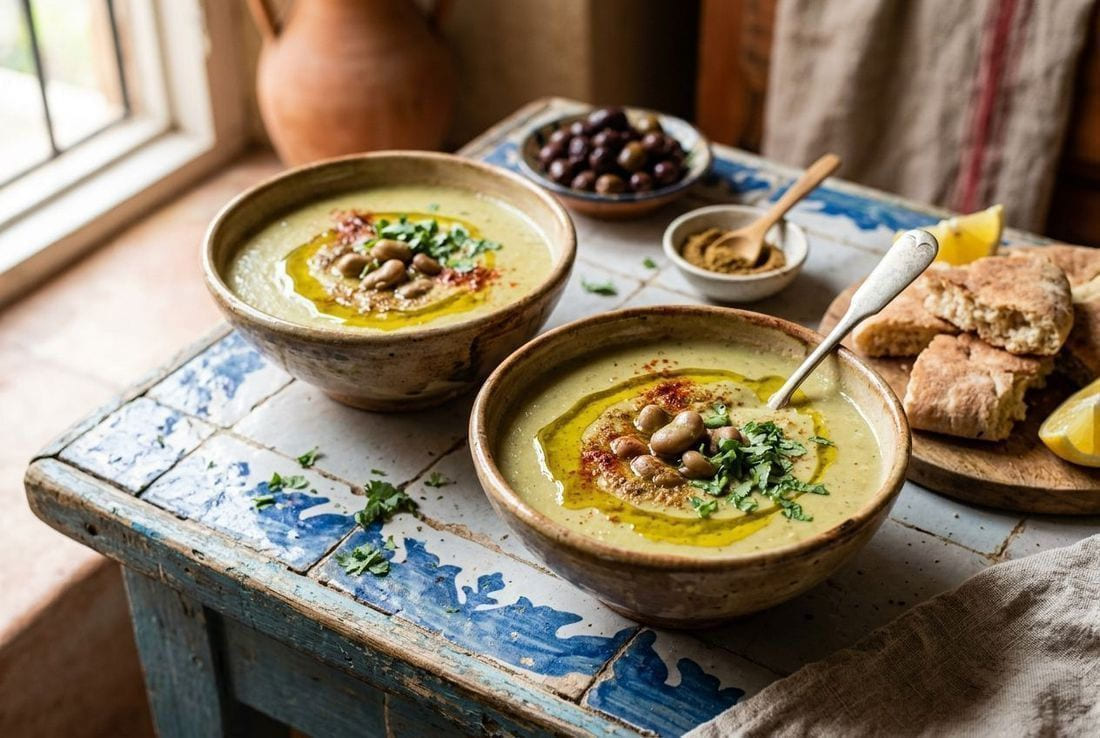
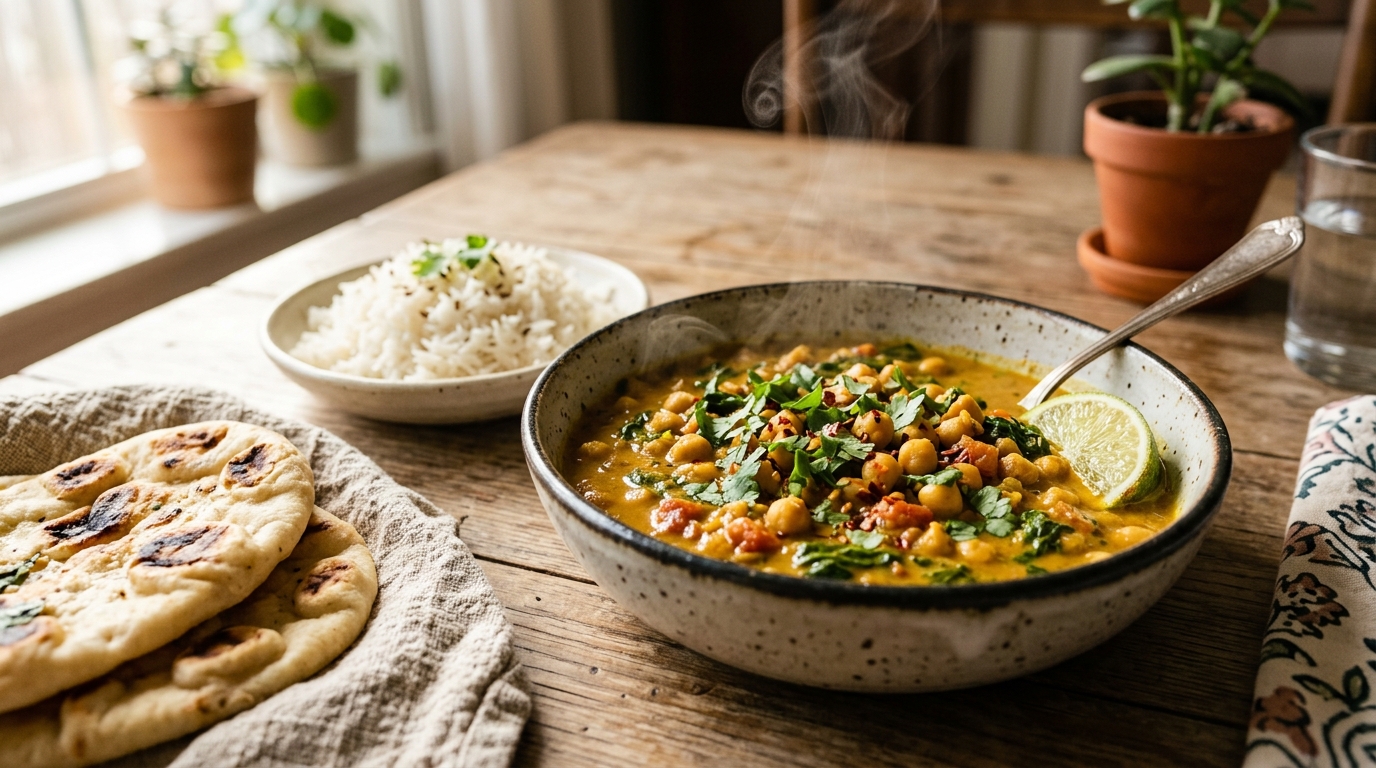
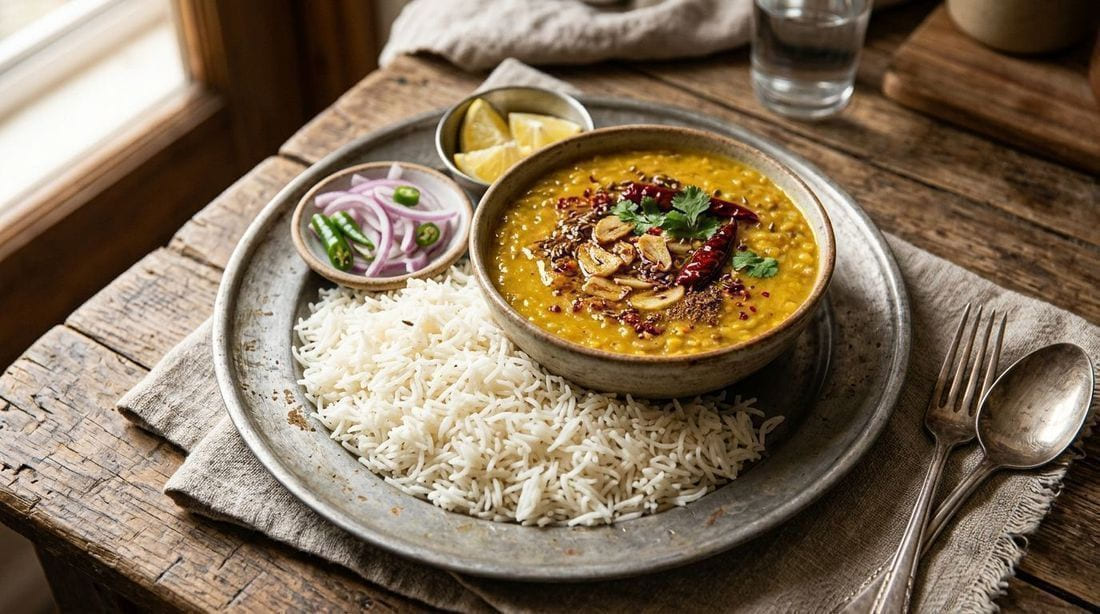
Serve with ceremony: ladle into warm bowls, then finish each one with a spiral of raw olive oil, a dusting of cumin, a dusting of paprika, and chopped cilantro. Set torn khobz, lemon wedges, and olives on the table and eat immediately — bissara is at its best hot and barely holding, with bread doing the scooping.
Can I use canned fava beans instead of dried?
Yes, and it halves the cooking time — but the texture trade is real. You need about 4 cups of drained canned fava beans (three 15-oz cans) simmered with the garlic in 2 cups of water for just 10–15 minutes before blending. Because canned beans never break down into starch the way a long-simmered dried bean does, the soup blends looser and slightly grainier; compensate by simmering longer after blending to tighten it, and use the full 1/3 cup of olive oil, which restores much of the missing body. Canned bissara makes a solid weeknight version; the dried-bean pot is the one worth making on a slow morning.
Why is my bissara too thin or too thick?
Both failures have simple fixes. Too thin usually means undercooked beans: if the favas were still intact when you blended, the soup never had the starch to thicken — keep simmering the blended soup over medium-low heat, stirring often, for 10–20 minutes and it will tighten as the starch releases. Too thick is the easier problem: it always thickens further as it cools, so whisk in hot water 1/4 cup at a time until it moves. For reference, street-style bissara pours off the ladle like heavy cream; bissara bis-sina should hold a spoon trail for a few seconds. Either way, adjust the texture before the final seasoning, since thinning dilutes salt and cumin.
Can I make bissara ahead of time?
Bissara is actually a better make-ahead than most soups — the flavor deepens overnight and the starch sets into that classic thick-set texture. Refrigerate it (without the finishing oil and spices) in an airtight container for up to 4 days; it will set firm, almost like polenta. Reheat over low heat with a splash of water, stirring to loosen, then re-season with a pinch of cumin and salt — the lemon and finishing olive oil go on fresh at serving. It freezes well for up to 3 months; thaw overnight in the fridge and loosen with hot water as it reheats. Whisk vigorously as it warms to bring back the silky emulsion.
How do you eat bissara the Moroccan way?
With your spoon abandoned and bread doing the work. Bissara is served hot in wide bowls, finished with raw olive oil, cumin, and paprika swirled on top, and eaten by tearing pieces of khobz (Moroccan round bread) and scooping straight from the bowl — no utensils required, and in the medina that is exactly how you will see it eaten at 6 a.m. Set out lemon wedges, olives, and extra cumin on the table, and treat the bread as part of the recipe rather than an accompaniment. If you serve it thick (bissara bis-sina), it crosses from soup to spread and belongs on a mezze plate next to zaalouk, olives, and hard-boiled eggs.
Is bissara healthy?
Genuinely yes, and it is one of the reason it has fed Morocco for centuries. Split fava beans are high in plant protein and soluble fiber, very low in fat, and the only added fat is olive oil — so the base pot is vegan, naturally gluten-free (serve it with gluten-free bread if you need to), and roughly 480 calories per generous bowl with the olive oil included. It is low on the glycemic index, keeps you full for hours, and is famously eaten as a pre-dawn suhoor during Ramadan for exactly that reason. If you want it lighter, skip some of the finishing oil — but the raw olive oil on top is doing real flavor work, so taste before you cut it.
Can I make bissara in an Instant Pot or pressure cooker?
Yes — it is a genuinely good pressure-cooker recipe. Add the split favas, garlic, and 4 cups of water to the inner pot (less water than the stovetop pot, since almost none evaporates under pressure), lock the lid, and cook on high pressure for 20 minutes with a natural release of 10 minutes. From there the recipe is identical: blend, stream in the olive oil, season, and set the texture. The pressure-cooker pot tends to come out slightly looser, so simmer it a few minutes in sauté mode after blending if you want the thick dip version. Whole (unsplit) fava beans need 35–40 minutes at pressure plus overnight soaking — another reason to buy split.