Ingredients
- 1 1/2 cups (280 g) dried chickpeas, soaked 8–12 hours (do not use canned)
- 1 small yellow onion, roughly chopped
- 1 cup packed fresh parsley leaves (about 1 bunch), tough stems removed
- 1/2 cup packed fresh cilantro leaves
- 4 cloves garlic, crushed
- 1 1/2 teaspoons ground cumin
- 1 teaspoon ground coriander
- 1/2 teaspoon cayenne pepper (optional, for heat)
- 1 teaspoon salt, plus more to taste
- 1/2 teaspoon black pepper
- 1 teaspoon baking powder
- 2–3 tablespoons chickpea flour or all-purpose flour, only if needed
- 2 cups neutral oil (sunflower or vegetable), for frying
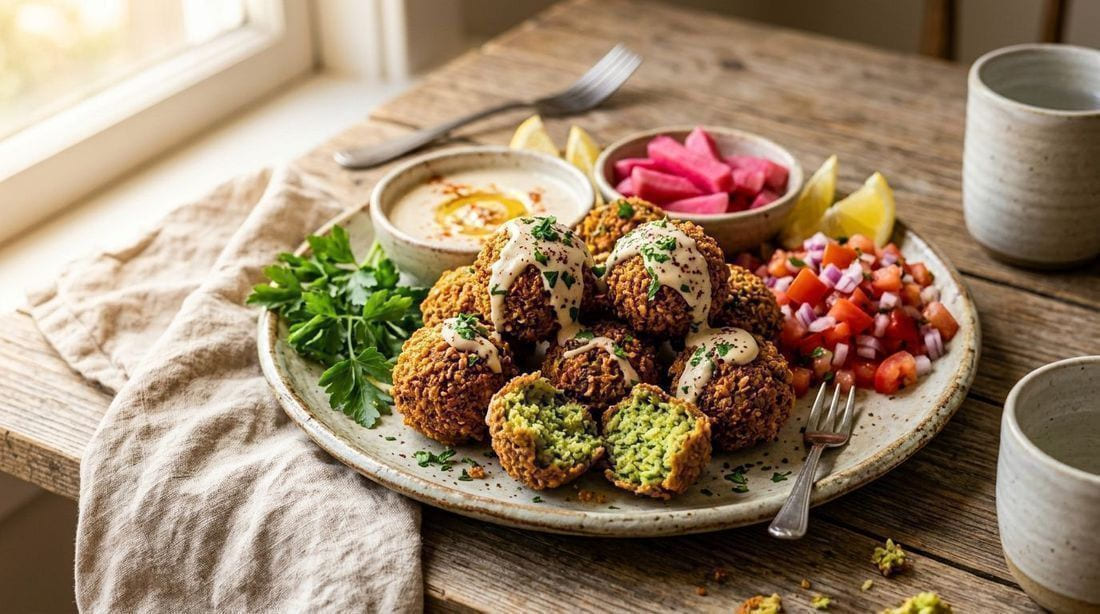
- For serving: warm pita, tahini sauce, chopped tomato and cucumber, pickled turnips, hot sauce
Instructions
The night before, cover the dried chickpeas with 3 inches of cold water and soak for 8–12 hours at room temperature. They should more than double in volume and soften enough to pinch apart — this step makes or breaks the falafel, so do not rush it.
Drain the chickpeas very well and pat them dry with a kitchen towel. Excess water makes the batter mushy and the falafel heavy.
Add the chickpeas, onion, parsley, cilantro, garlic, cumin, coriander, cayenne, salt, and pepper to a food processor. Pulse in short bursts — do not run it continuously — until the mixture is finely ground and holds together when squeezed, but still looks crumbly and a little textured. Over-processing into a paste is the other classic falafel failure.
Scrape the mixture into a bowl, cover, and refrigerate for at least 30 minutes (up to overnight). The rest lets the herbs and chickpeas hydrate evenly and makes the batter much easier to shape. When ready, stir in the baking powder and test one patty: if it will not hold together, pulse in 1–2 tablespoons of flour.
Shape the mixture into balls or patties about 1 1/2 inches across — slightly loose is fine, they will firm up in the oil. Chill the shaped falafel for 15–30 minutes if you have time; cold falafel fry up crispier.
Heat 2 inches of oil in a deep pot or Dutch oven to 350°F (175°C). Fry in batches of 6–8, without crowding, for 2–3 minutes per batch, turning once, until deeply golden and crisp on all sides. Do not move them for the first 60 seconds or they may break.
Drain on a wire rack over a baking sheet (not paper towels, which trap steam and soften the crust). Serve hot, stuffed into warm pita with tahini, salad, pickles, and hot sauce.
Tips for Success
- Dried chickpeas are non-negotiable. Canned chickpeas are too wet and too soft — they turn the batter to paste and the falafel collapses in the oil. The overnight soak is your friend, not an inconvenience.
- Pulse, do not blend. The mixture should look like coarse sand with visible flecks of herb. If your food processor runs away from you and makes hummus, the falafel will be dense and greasy instead of light and crisp.
- Fry at a true 350°F (175°C) and give the falafel 60 seconds of silence after they hit the oil. The crust needs to set before you nudge anything, and the oil temperature has to stay hot — check it between batches.
Perfect pairings
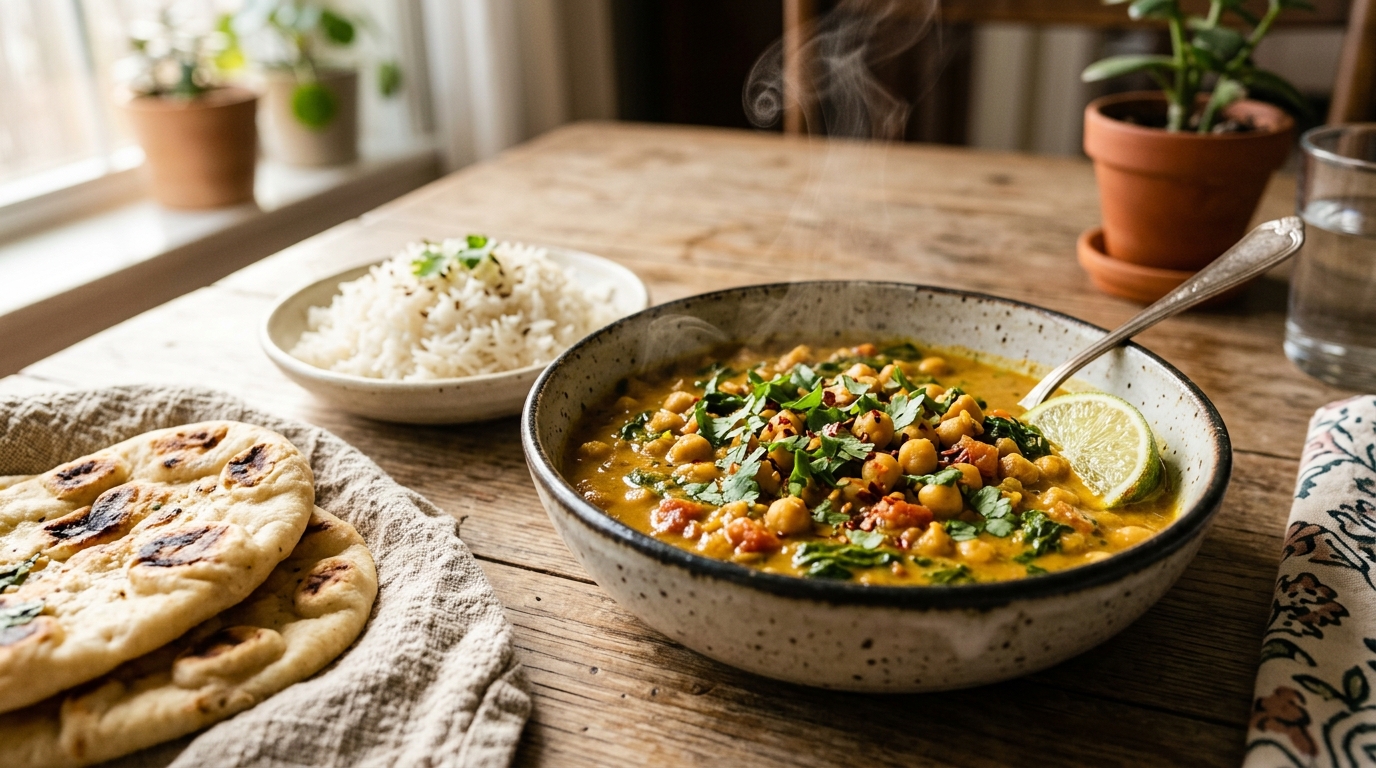
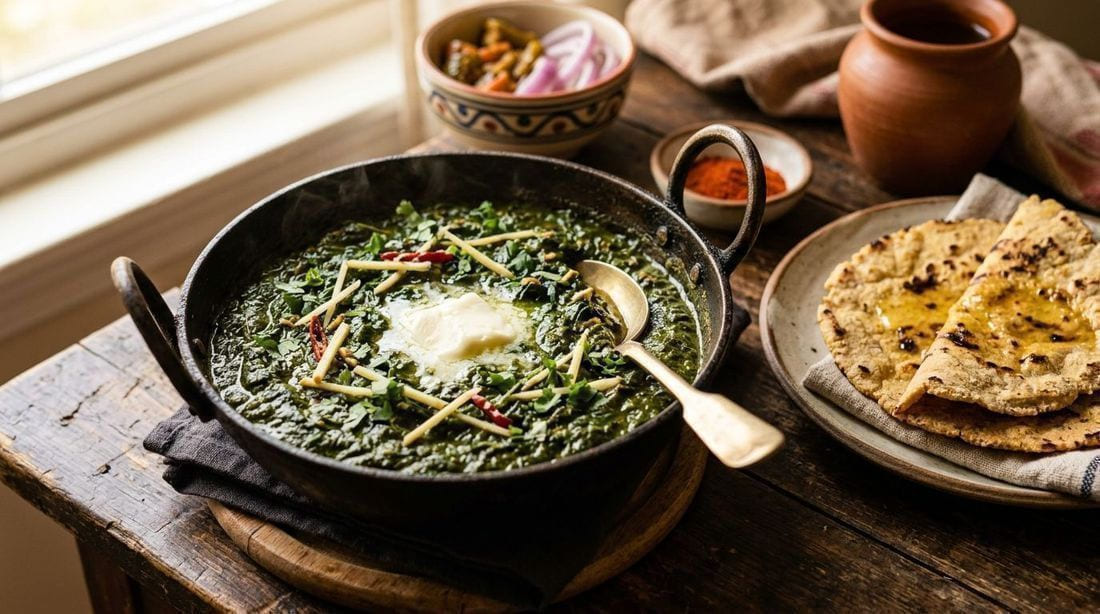
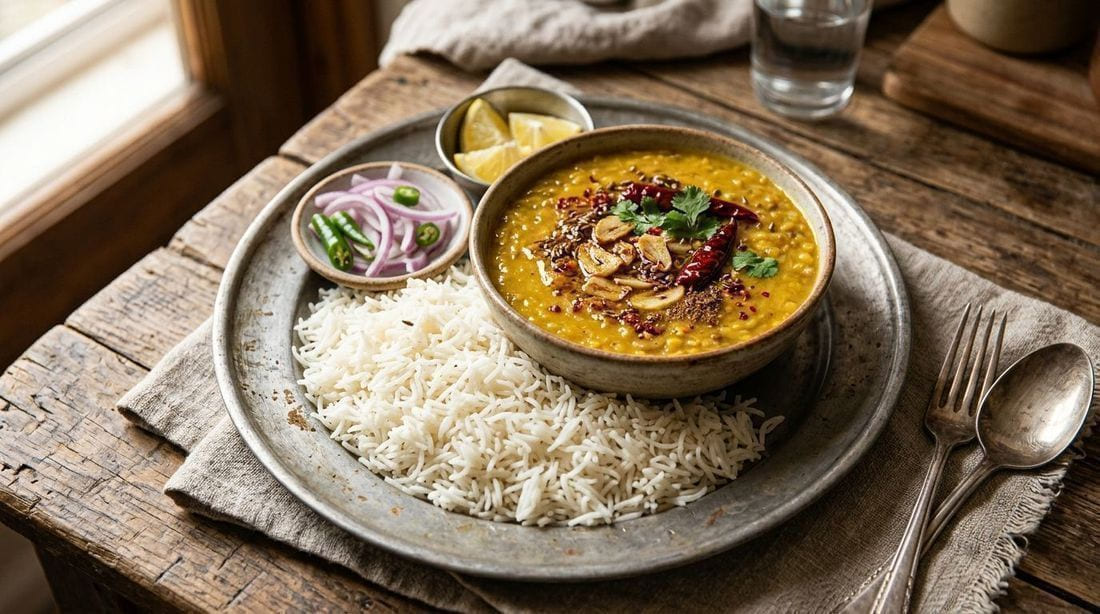
These recipes belong on the same table — cook them together for a full spread, or swap in a variation next time.
Frequently Asked Questions
Can I bake or air-fry falafel instead of frying?
Yes. Bake at 400°F (200°C) with a light oil spray for 20–25 minutes, flipping halfway, or air-fry at 375°F (190°C) for 12–15 minutes. They will be firmer and less golden than fried, but still very good — just know the fried version is the classic for a reason.
Can I freeze falafel?
Absolutely. Freeze the shaped, unfried patties in a single layer on a tray, then transfer to a bag — they keep for 3 months. Fry from frozen straight into 350°F oil; add 1–2 minutes. Cooked falafel also freeze well and reheat best in an oven or air fryer, not a microwave.
Is falafel gluten-free?
The classic recipe is naturally gluten-free — it uses chickpeas, herbs, and spices only. Skip the flour adjustment (or use chickpea flour) and it stays gluten-free. Just check your pita and tahini: opt for gluten-free pita and make sure the tahini is labeled gluten-free.
Why do my falafel fall apart in the oil?
Almost always canned chickpeas or a too-wet batter. Falafel must be made from dried chickpeas soaked overnight — canned are too soft and wet to hold a patty together. After draining the soaked chickpeas, pat them thoroughly dry, and rest the blended mixture in the fridge for at least 30 minutes before shaping so the herbs and chickpeas hydrate evenly. If the test patty still will not hold, pulse in 1–2 tablespoons of chickpea flour, and give each falafel 60 full seconds in the oil before touching it.
Why are my falafel dense and greasy instead of light and crisp?
Two culprits: over-processing and oil that is too cool. Pulse the food processor in short bursts until the mixture is coarse and crumbly — if it turns to a smooth paste, the falafel will be heavy. And fry at a steady 350°F (175°C): if the temperature drops, the patties absorb oil instead of crisping. Fry in small batches and let the oil come back up to temperature between rounds.
Can I use canned chickpeas if I am short on time?
You can, but expect a different falafel. Canned chickpeas are cooked and waterlogged, so the mixture needs a binder — add about 1/2 cup of breadcrumbs or chickpea flour and chill the shaped patties 30–60 minutes before frying. Many home cooks also bake canned-chickpea falafel (400°F for 20–25 minutes) because they are too fragile for deep frying. It works, but it is not the classic; stock a bag of dried chickpeas and soak them the night before when you can.
Affiliate disclosure: this page contains affiliate links. If you buy equipment through them, Cuisinety earns a small commission at no extra cost to you — it keeps the site free. Picks follow the same research-backed standards as our gear guides. Read ourfull affiliate disclosure.
Browse All Recipes →
Love this recipe? Pin it!
Save it to your Pinterest board so you can find it later.
Pin this Recipe Cuisine