Ingredients
- 3 medium globe eggplants (about 2 1/2 lbs / 1.2 kg total)
- 1/3 cup (80 g) good-quality tahini, well stirred (runny, pourable kind)
- 3 tablespoons fresh lemon juice (about 1 lemon), plus more to taste
- 1 small clove garlic, finely grated (start shy — raw garlic grows as it sits)
- 1/2 teaspoon fine salt, plus more to taste
- 1–2 tablespoons cold water, only if needed to loosen
- To finish: extra-virgin olive oil, sweet paprika, chopped flat-leaf parsley, pomegranate seeds (optional)
- For serving: warm pita or crusty bread, cucumber spears, radishes, olives
Instructions
Heat the oven to its highest setting, 475°F (245°C) or more, with a rack in the top third. Line a large baking sheet with foil — the skin will stick and char, and foil saves you the scrub.
Prick each eggplant 4–5 times with a fork so steam can escape, and rub the skins lightly with a little oil. (Skipping the pricks gets you exploded eggplant — a lesson you only learn once.)
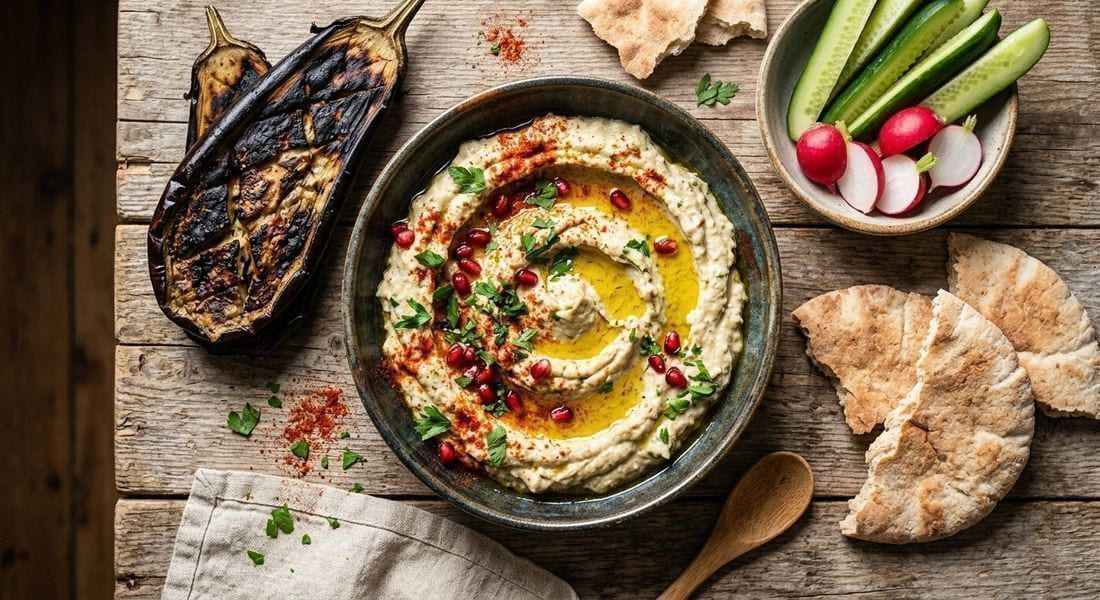
Roast for 40–45 minutes, turning once halfway, until the skins are blistered and deeply charred in patches and the flesh has fully collapsed and slumped flat. The eggplant should feel like a deflated balloon — undercooked flesh means a watery, bitter dip. Char is flavor here, not a mistake.
Let the eggplants cool until you can handle them, about 10 minutes — the steam trapped inside finishes cooking the flesh. Cut them open and scoop the soft pulp away from the skin with a spoon; leave every piece of charred skin behind.
Drain the pulp in a fine sieve for 2–3 minutes and gently press out the excess liquid (do not squeeze dry — a little moisture keeps it silky, a lot of it makes the dip weepy).
Mash the pulp with a fork to a coarse, rustic consistency — you want visible soft strands, not baby food. If you use a food processor, pulse 2–3 times only, or the dip turns gluey and grey.
Stir in the tahini, lemon juice, grated garlic, and salt. Taste after a minute: it usually wants more lemon than you think and more salt than you fear. If it is thicker than a loose hummus, loosen with a tablespoon of cold water at a time.
Rest for at least 15 minutes at room temperature (or chill up to 3 days) so the garlic mellows and the flavors marry. Serve spread in a shallow bowl with a swirl of olive oil, a dusting of paprika, parsley, and warm pita.
Tips for Success
- No broiler? Finish the roasted eggplants over a gas flame for 2–3 minutes per side with tongs, or under the broiler until the skins blister — the char is the entire flavor payoff. On a charcoal grill, roast them whole on the grate: real smoke, no shortcuts.
- Bitter dip usually means one of three things: undercooked eggplant, seeded pulp (the seeds carry bitterness), or too much raw garlic. Roast until fully collapsed, avoid scraping the seed pocket near the stem, and grate just half a clove to start.
- If the dip turns watery after chilling, it released moisture overnight — drain through a sieve and stir, then adjust salt and lemon. It keeps 3 days refrigerated and actually tastes better on day two.
Perfect pairings
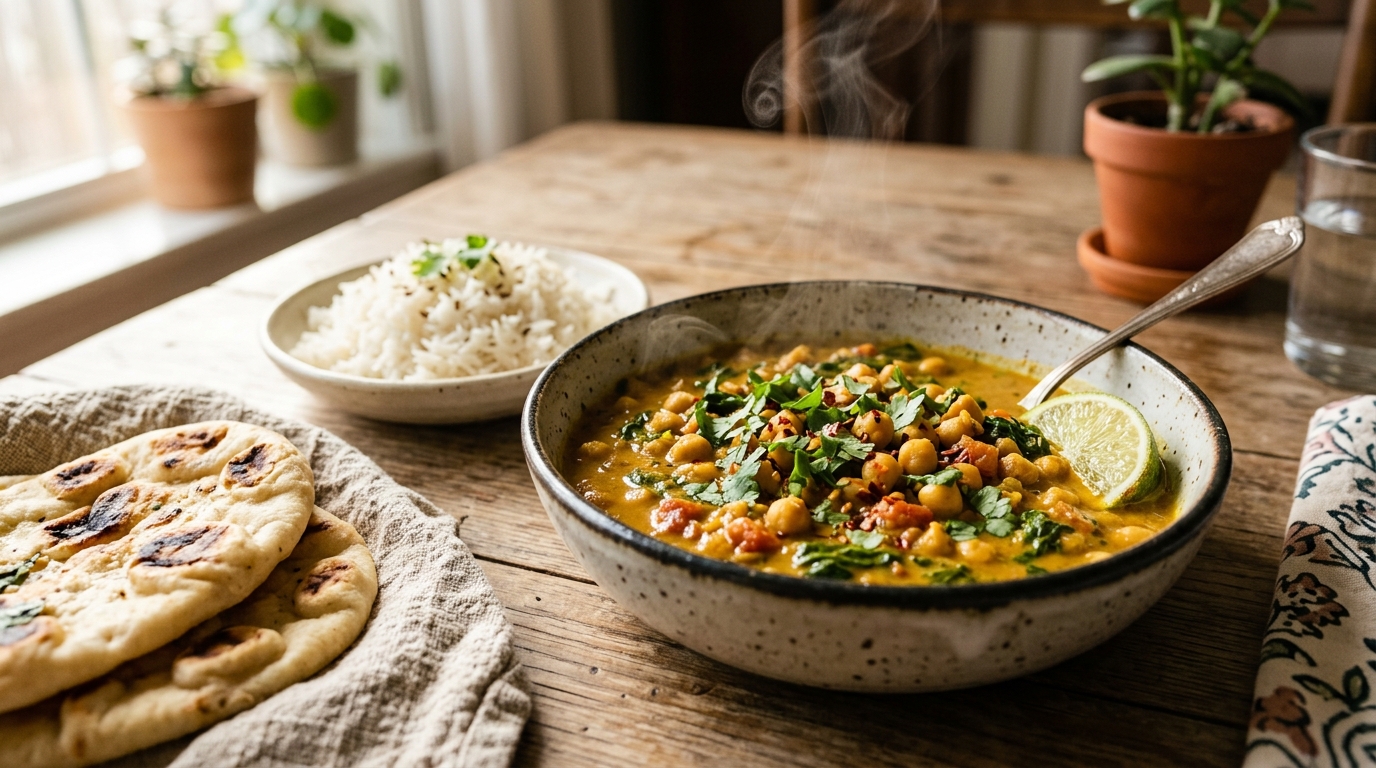
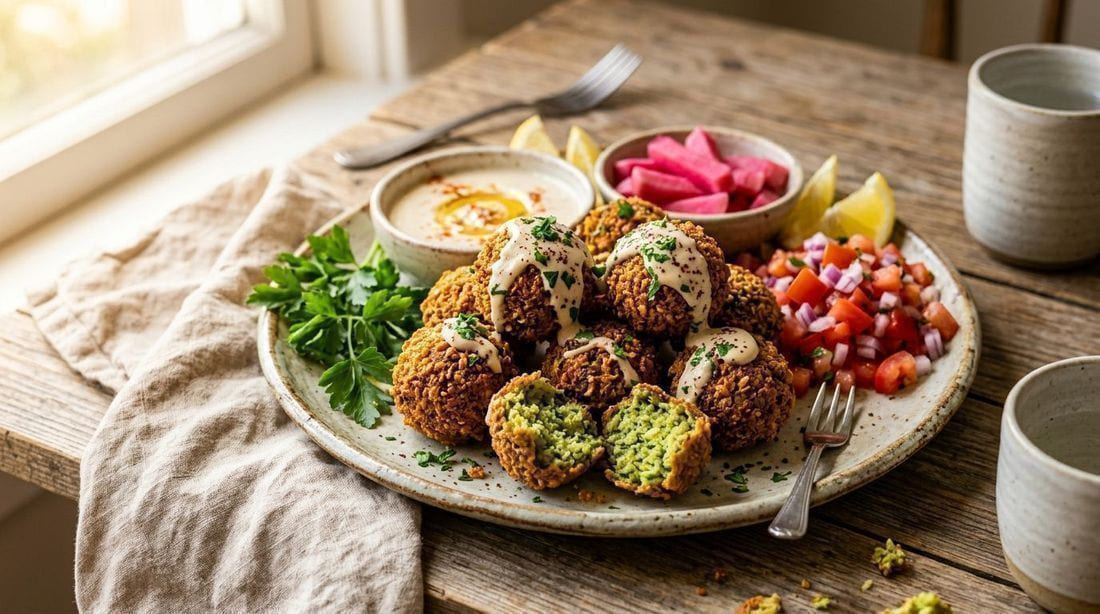
Baba ganoush never sits alone — it anchors a mezze spread of warm bread, crisp falafel, and a second dip.
Frequently Asked Questions
What is the difference between baba ganoush and mutabbal?
The names blur across the Levant, but the common distinction is dairy: mutabbal (sometimes called baba ganoush in some regions) folds in thick strained yogurt alongside the tahini, while the version here is the classic vegan Lebanese style — eggplant, tahini, lemon, garlic, and nothing else. If you want the creamier yogurt version, stir in two tablespoons of strained yogurt at the mashing stage and reduce the tahini to a quarter cup.
Which kind of tahini should I use, and can I skip it?
Use a good-quality pure sesame tahini — the pourable, runny kind made from hulled seeds — and stir it well before measuring; separated or gritty tahini is the number-one texture killer. It is not skippable in the classic recipe: tahini supplies the body and the nutty backbone, and without it you have seasoned mashed eggplant. If you are out, an equal amount of well-stirred cashew butter is the closest stand-in.
Can I make baba ganoush ahead of time, and what do I serve with it?
Yes — it is actually better made ahead. It keeps 3 days refrigerated, and the flavors deepen overnight; drain any released liquid and re-adjust lemon and salt before serving. Serve it the mezze way: in a shallow bowl with olive oil and paprika, alongside warm pita, cucumber spears, and radishes — or next to falafel and hummus for the complete dip trio.
How do I get real smoke flavor without a charcoal grill?
The oven method in the recipe gets you most of the way: roast at the highest setting until the skins are genuinely charred in patches, not just soft. For a deeper hit, finish the roasted eggplants over a gas flame for 2–3 minutes per side with tongs (turning until the skin blisters and blackens), or run them under the broiler for the last 5 minutes. If you have a charcoal grill, roast the whole eggplants directly on the grate over the coals — that is the authentic version and nothing mimics it exactly. A drop of liquid smoke works in a pinch, but use it sparingly (literally a drop or two) because it goes synthetic fast.
Why does my baba ganoush taste bitter?
Bitterness traces back to three things: eggplant that was not cooked long enough (under-roasted flesh is spongy and bitter), the seedy pocket near the stem end (the seeds carry most of the bitterness — scoop around them), and too much raw garlic. Roast until the eggplant fully collapses and slumps flat — it should look overdone, because that is exactly when it is done. Start with half a small clove of garlic and add more after it has rested; raw garlic bites harder straight away than it will in 15 minutes.
My dip turned out watery — can I fix it, and how do I prevent it next time?
Yes: drain the dip through a fine sieve for a few minutes and stir well — it usually tightens right up, and if it is still loose, mash in an extra spoonful of tahini which absorbs the excess moisture. To prevent it, drain the scooped pulp in a sieve for 2–3 minutes before mashing (but do not squeeze it bone-dry — a little moisture keeps it silky). Note that baba ganoush also releases water after chilling overnight; that is normal — drain and stir, then re-adjust the salt and lemon, and it will taste even better on day two.
Affiliate disclosure: this page contains affiliate links. If you buy equipment through them, Cuisinety earns a small commission at no extra cost to you — it keeps the site free. Picks follow the same research-backed standards as our gear guides. Read ourfull affiliate disclosure.
Browse All Recipes →
Love this recipe? Pin it!
Save it to your Pinterest board so you can find it later.
Pin this Recipe