Ingredients
- 2 lb (900 g) russet potatoes, peeled and cut into chunks
- 3 cloves garlic, minced
- 1 teaspoon ground cumin
- 1/2 teaspoon ground turmeric
- 1/4 cup (60 ml) finely chopped fresh cilantro (or parsley), plus more to finish
- 1 large egg, lightly beaten
- 3 tablespoons all-purpose flour, plus more for shaping
- 1 teaspoon fine salt, plus more to taste
- 1/4 teaspoon freshly ground black pepper
- Vegetable oil, for frying (about 1 inch / 2.5 cm deep)
- Chermoula or harissa, for serving
Instructions
Boil the potatoes: put the peeled, chunked potatoes in a large pot, cover with cold salted water, and bring to a boil. Cook 15–18 minutes until very tender — a knife should slide through with no resistance. Drain well and return to the pot over low heat for a minute or two to steam off excess moisture.
Mash: transfer the potatoes to a large bowl and mash until completely smooth with no lumps. Stir in the garlic, cumin, turmeric, cilantro, salt, and pepper, then the beaten egg, then the flour. Mix until a soft, slightly sticky dough forms. It should hold together when pressed, not be dry — add a splash of water if it crumbles, or an extra teaspoon of flour if it is too wet.
Shape: with lightly floured hands, divide the mixture into 8–12 portions. Roll each into a ball and press into a thick disc about 3/4 inch (2 cm) tall. Coat each disc lightly in flour so the outside turns crisp and doesn't stick.
Heat the oil: pour oil to about 1 inch (2.5 cm) deep in a wide skillet or heavy pot and heat over medium-high until a scrap of potato sizzles on contact — around 350°F (175°C).
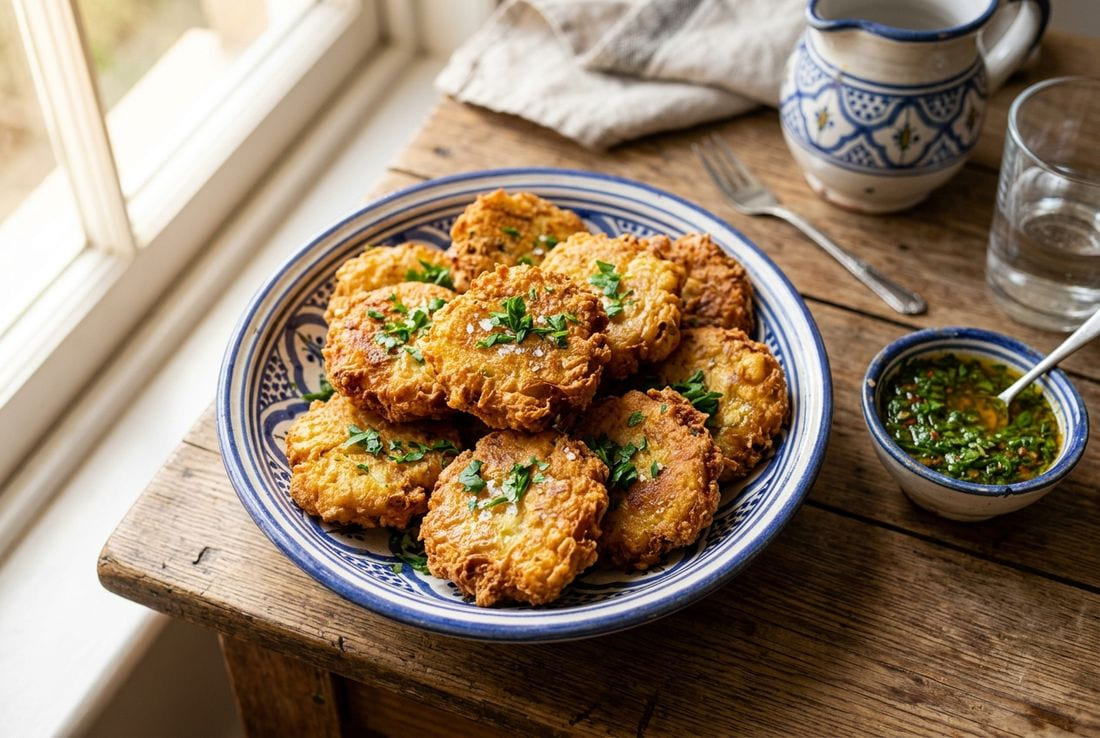
Fry: working in batches without crowding, lower the discs into the oil and fry 3–4 minutes per side, until deep golden brown and crisp. Drain on paper towels and sprinkle with a little salt while hot. Serve immediately, hot and crispy, with chermoula or harissa for dipping.
Tips for Success
- Dry, starchy potatoes are non-negotiable. Russets (or any floury potato) mash into a fluffy, absorbent dough; waxy potatoes stay gluey and heavy. Steaming the cooked potatoes for a minute drives off the water that makes fritters greasy inside.
- The dough should be soft but shapable. If it sticks to your hands, resist adding lots of flour — you want a moist interior. Lightly flour your palms instead and handle each patty gently. Very wet dough means the potatoes were under-dried; let them sit a few extra minutes before mashing next time.
- Fry in small batches and keep the oil at a steady 350°F. Too cool and the fritters soak up oil and turn heavy; too hot and they brown before the center cooks. Let the oil come back to temperature between batches. A light dusting of flour on each disc is the secret to the craggy, extra-crisp crust.
Cook's Notes: what to watch for
- The pitfall: Waxy or wet potatoes. Waxy varieties mash gluey and the fritters fry up heavy; and skipping the minute of steaming-off after draining leaves enough water in the mash to make the centers greasy. Russets, boiled fully tender, steamed dry, then mashed smooth, are the whole foundation.
- The step that matters most: Steaming the drained potatoes dry in the hot pot before mashing. That minute of evaporation is what keeps the discs from absorbing oil in the fryer and produces the fluffy-interior, crisp-exterior contrast makouda is known for.
- The quirk: The dough is slightly sticky even when correct — flour your palms rather than the mixture, since extra flour makes dense fritters. And the discs are thick, around 3/4 inch, so they need a full 3–4 minutes per side to crisp without browning prematurely.
Perfect pairings
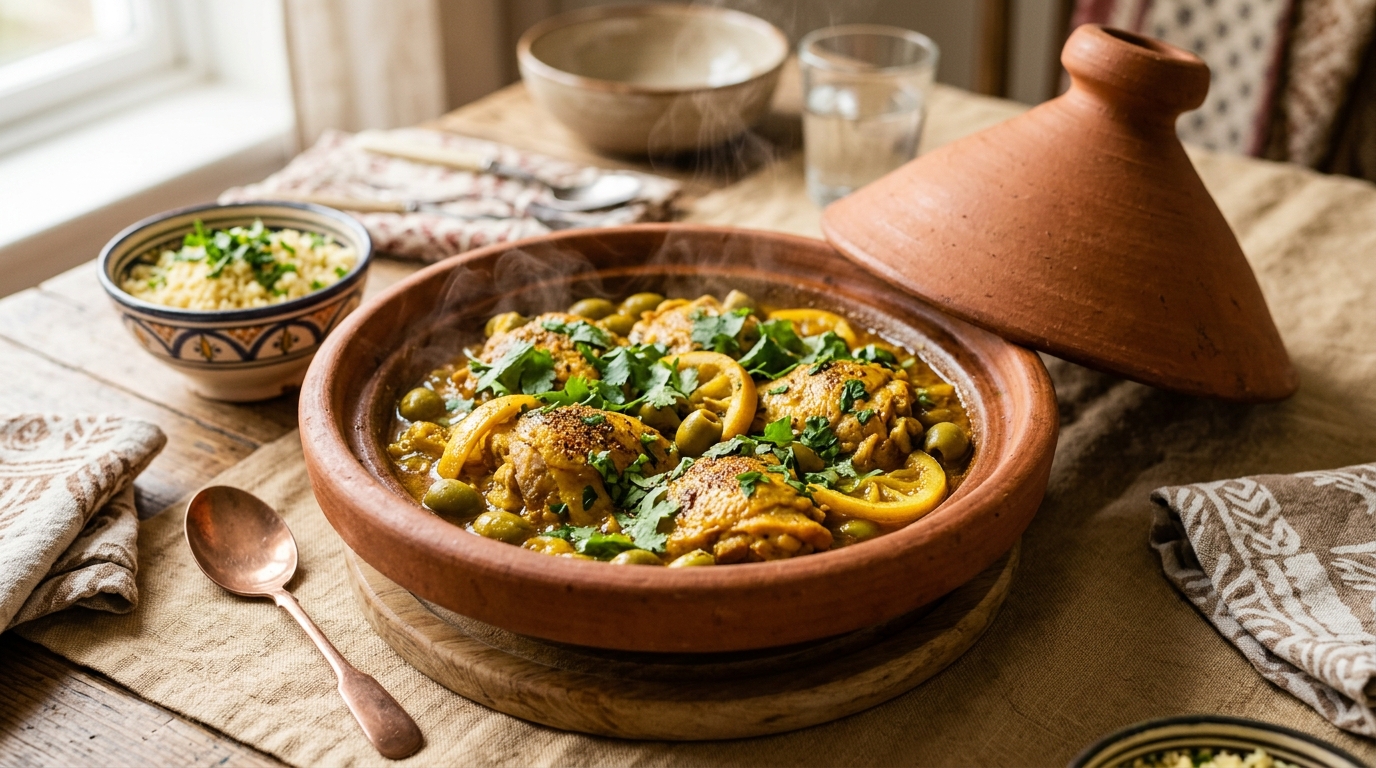
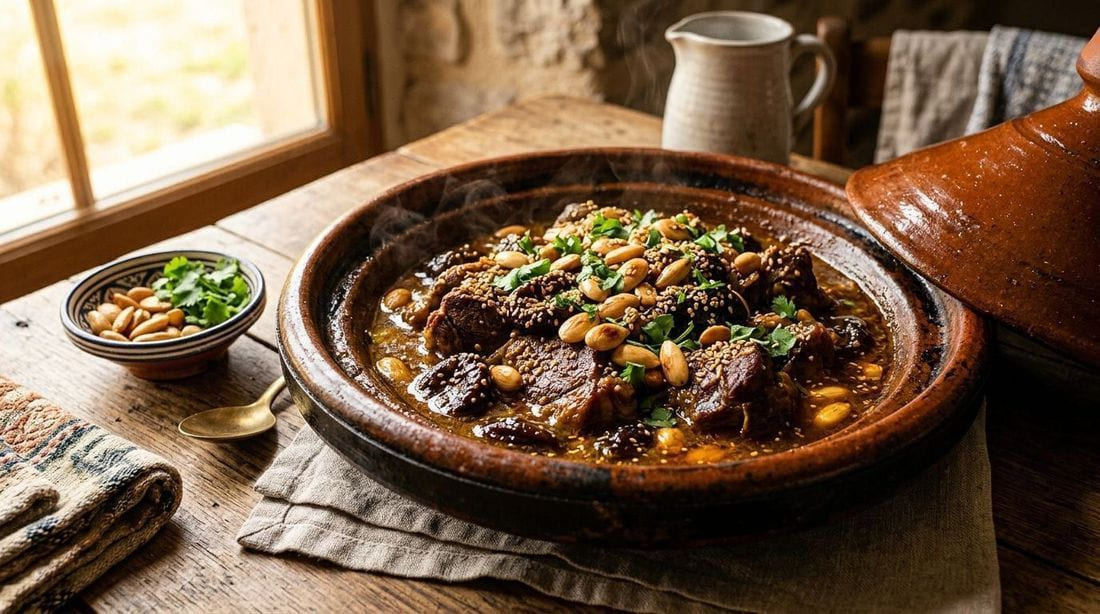
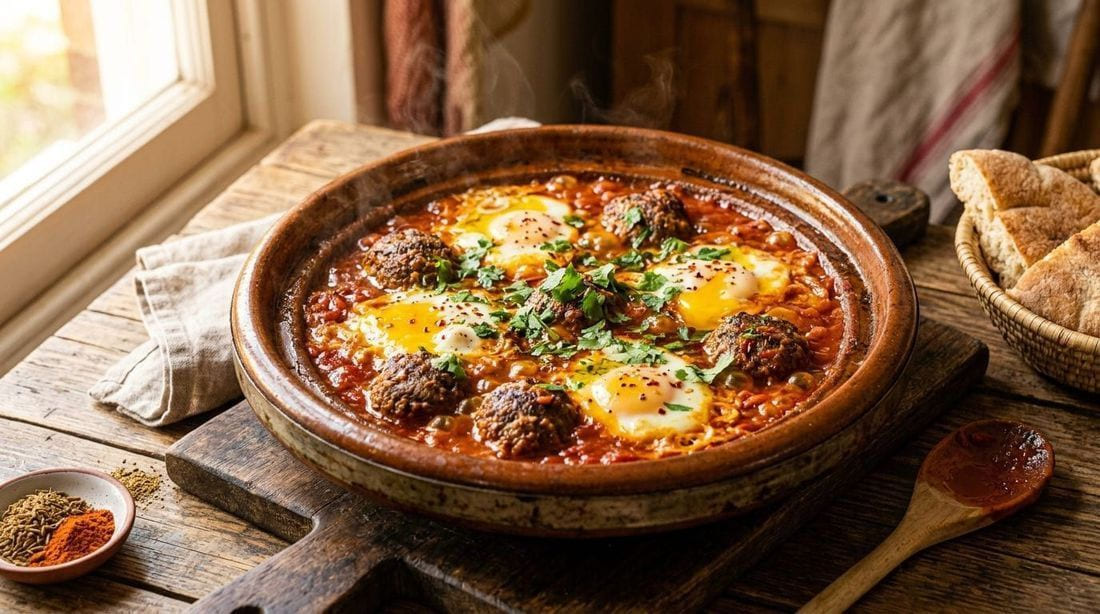
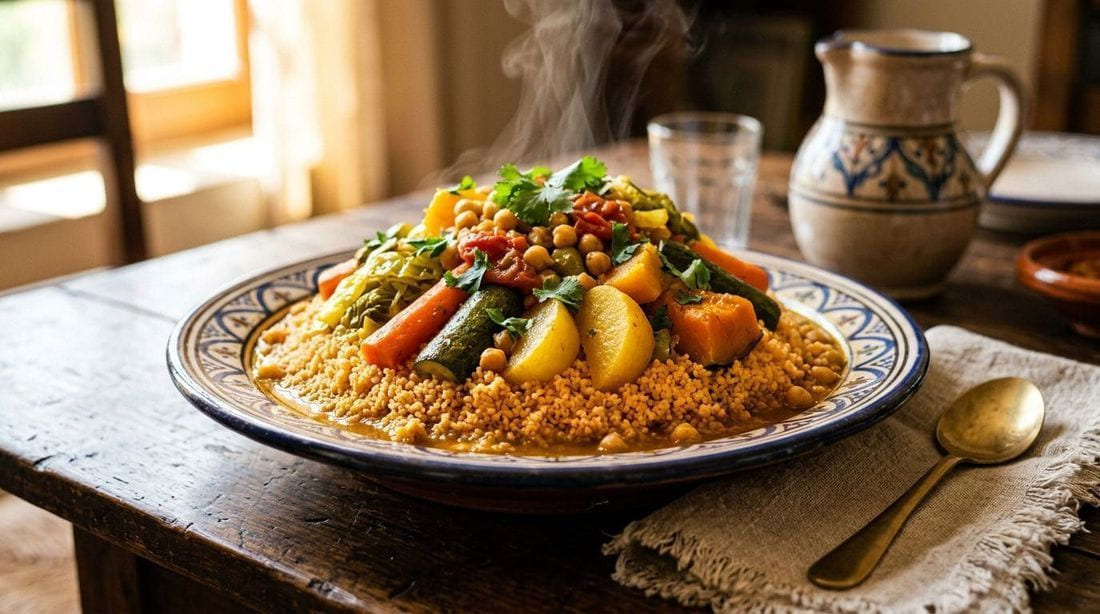
Makouda are street-cart food at heart — fry them for a snack, or build a whole Moroccan table around them.
Frequently Asked Questions
Why are my makouda mushy and greasy inside?
The potatoes were too watery or the oil too cool. Use dry starchy potatoes (russets), steam them for a minute after boiling to drive off moisture, and make sure the oil hits a steady 350°F before you start frying — cool oil soaks in instead of crisping. Fry in small batches so the temperature never drops.
Why do my fritters fall apart in the oil?
Usually too little binder or too-wet dough. The egg and flour together hold the patty together, so make sure both are fully mixed in, and coat each shaped disc lightly in flour — it creates a protective crisp shell. If the dough is wet from under-dried potatoes, work in an extra tablespoon of flour or chill the shaped discs 15 minutes before frying.
Can I make and reheat makouda ahead?
Yes. Fry them fully, cool completely, and refrigerate in an airtight container up to 3 days. Reheat in a 400°F (200°C) oven or air fryer for 8–10 minutes until crisp and hot through — skip the microwave, which turns them soggy. You can also freeze uncooked, shaped discs on a tray, then fry straight from frozen, adding a couple of minutes to the cook time.
Why are my makouda mushy and greasy inside?
The potatoes were too watery or the oil too cool. Use dry starchy potatoes (russets), steam them for a minute after boiling to drive off excess moisture, and make sure the oil hits a steady 350°F before you start frying — cool oil soaks into the fritters instead of crisping them. Fry in small batches so the temperature never drops below that sweet spot.
Can I make makouda gluten-free?
Yes. Swap the all-purpose flour for an equal amount of chickpea flour or cornstarch. Chickpea flour also adds a little savoriness that suits the Moroccan spicing. The egg stays as the binder. The texture will be slightly less shattery but just as crisp — just be sure to coat each disc in the gluten-free flour before frying.
What do you serve with makouda?
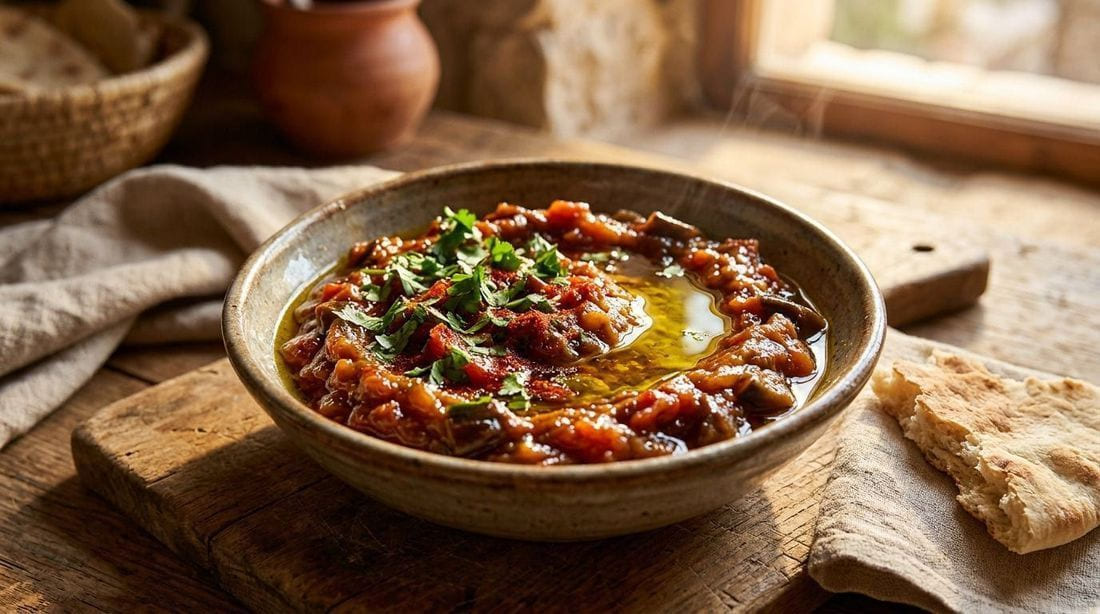
The classic is chermoula — a bright Moroccan sauce of cilantro, garlic, cumin, paprika, and lemon — or a quick harissa for heat. They also make an excellent sandwich: stuff hot fritters into a crusty roll with lettuce, tomato, and a spoon of sauce, the way they are sold at Moroccan street stands. They pair beautifully with harira soup or a tomato salad like zaalouk on the side.
Affiliate disclosure: this page contains affiliate links. If you buy equipment through them, Cuisinety earns a small commission at no extra cost to you — it keeps the site free. Picks follow the same research-backed standards as our gear guides. Read ourfull affiliate disclosure.
Browse Moroccan Recipes →
Love this recipe? Pin it!
Save it to your Pinterest board so you can find it later.
Pin this Recipe Cuisine