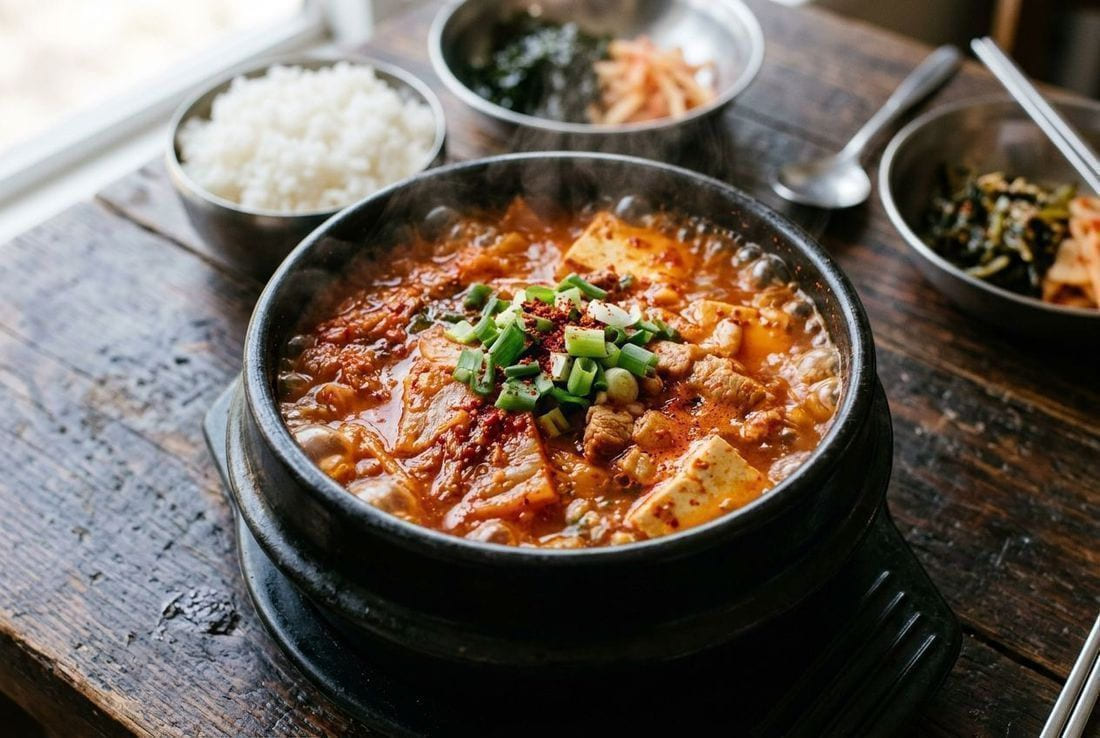
Kimchi jjigae is the reason home cooks should never throw away old kimchi. The stew wants kimchi at its sourest — weeks past the point where it is pleasant straight from the jar — because that tang is the backbone of the broth. The technique that separates a good jjigae from a thin one happens in the first ten minutes: the pork belly renders its fat in the pot, the ripe kimchi goes in and fries in that fat until it caramelizes, softens, and turns glossy and concentrated. Only then comes the liquid, kimchi juice and water, and the whole thing settles into a deep red simmer that fills the kitchen with the smell of every Korean household at dinnertime. Silky cubes of firm tofu go in at the end, warmed through but not broken, and a pot of rice is mandatory — the stew is intensely flavored by design, and rice is the counterweight. One pot, half an hour, and the kind of dinner that makes winter nights better.
By AmiraFounder & Editor-in-Chief · Mediterranean & Moroccan
✓ Method-reviewed by our editors
Ingredients
4
8 oz pork belly, thinly sliced (about 1/4 inch)
2 cups well-fermented (sour) kimchi, cut into bite-size pieces
1/3 cup kimchi juice, from the jar
1/2 medium yellow onion, thinly sliced
3 garlic cloves, minced
1 tablespoon gochugaru (Korean chili flakes)
1 tablespoon soy sauce
1 teaspoon toasted sesame oil
2 1/2 cups water or unsalted broth
14 oz firm or extra-firm tofu, cut into 3/4-inch cubes
2 scallions, sliced
Steamed rice, for serving
Instructions
Render the pork: heat a heavy pot over medium heat, add the pork belly slices, and cook slowly for 5–6 minutes, turning once or twice, until the fat has rendered out and the slices are browned at the edges. Do not drain the fat — it is flavor.
Caramelize the kimchi: add the onion and garlic and cook 2 minutes, then add the kimchi. Raise the heat slightly and fry for 5–6 minutes, stirring occasionally, until the kimchi softens, darkens, and smells sweet-funky rather than sharp. This browning step is what makes the stew deep instead of flat.
Build the stew: add the kimchi juice, water, gochugaru, and soy sauce. Scrape up anything stuck to the bottom, bring to a boil, then lower to a lively simmer.
Simmer: cook uncovered for 15–20 minutes, until the pork is tender and the broth has deepened to a rich red-orange. Skim any gray scum from the surface if one forms.
Add the tofu: nestle the tofu cubes into the stew and simmer gently for 5 minutes — just enough to warm them through without breaking them up.
Finish and serve: stir in the sesame oil, top with scallions, and bring the whole pot to the table still bubbling, with bowls of steamed rice alongside.
Tips for Success
Kimchi age is the single biggest variable. Sour, well-fermented kimchi (at least 2–3 weeks old) makes a proper jjigae; young, crunchy kimchi makes a weak one. If yours is still fresh, add 1–2 teaspoons of vinegar at the end to sharpen the broth.
Pork belly is traditional, but a can of tuna (drained) stirred in with the liquid is the beloved chamchi jjigae variation — a ten-minute dinner that students have lived on for generations.
Keep the tofu addition gentle: a hard boil with tofu rattling around breaks it into sandy bits. Tuck it in, lower the heat, and let the stew warm it through.
Perfect pairings
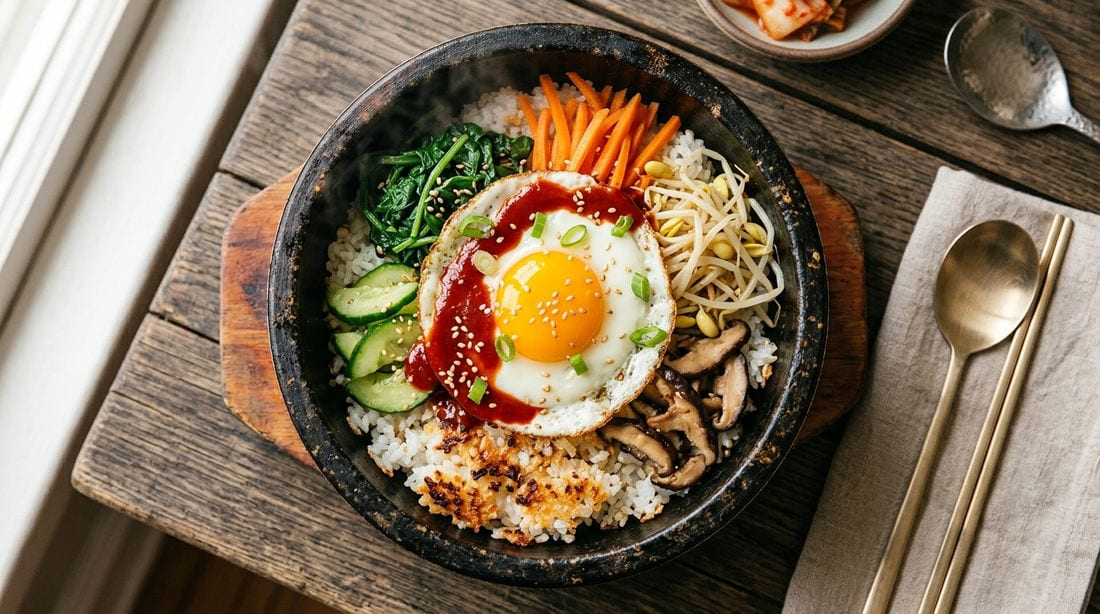
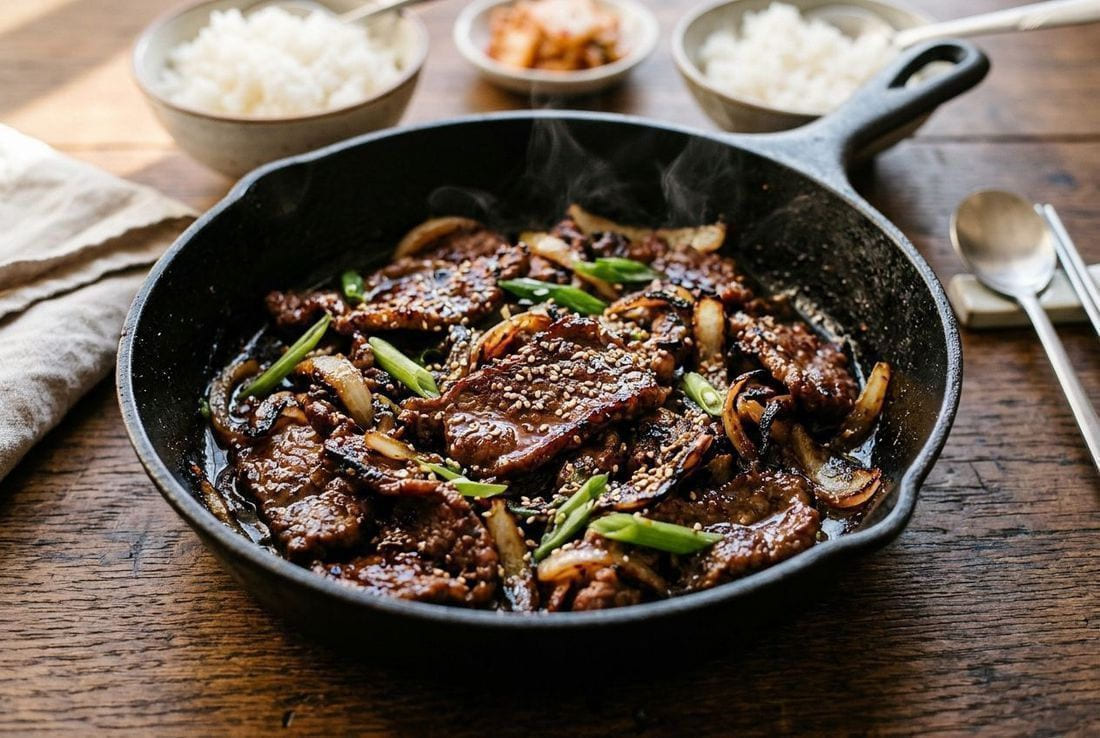
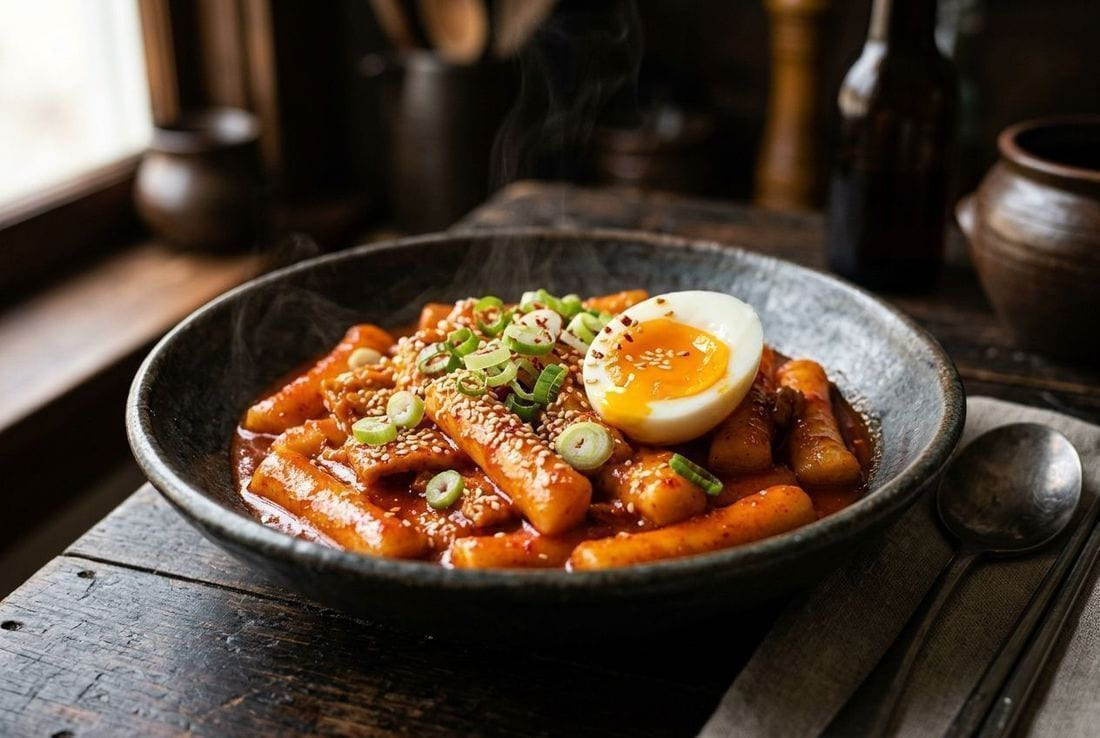
These recipes belong on the same table — cook them together for a full spread, or swap in a variation next time.
You can, but you should not expect the same depth — the stew's tang comes from the lactic sourness of fermented kimchi, and fresh kimchi has almost none. If fresh is what you have, cook it longer in the caramelizing stage to concentrate it, use a bit more gochugaru, and finish with 1–2 teaspoons of rice vinegar to replace the missing sourness. Better plan: buy a jar now, forget about it in the fridge for a few weeks, and the jjigae will make itself.
Can I make kimchi jjigae with tuna instead of pork?
Yes — chamchi kimchi jjigae is a hugely popular variation, especially for quick dinners. Drain one can of tuna well, skip the rendering step, and fry the kimchi in 1 tablespoon of neutral oil plus a little sesame oil instead. Add the tuna when you add the liquid, breaking it into large flakes. It is lighter, faster, and still deeply satisfying. Canned salmon and leftover cooked pork also work well.
How spicy is kimchi jjigae?
Moderately spicy with a warming rather than searing character — much of the heat comes from the kimchi itself, which varies wildly by brand. If you are heat-shy, use a milder kimchi, halve the gochugaru, and add the tofu, since its blandness resets the palate. If you want more fire, the fix is more gochugaru at the start, not chili oil at the end. Either way, serve it with rice: the stew is concentrated by design and rice is the traditional buffer.
Affiliate disclosure: this page contains affiliate links. If you buy equipment through them, Cuisinety earns a small commission at no extra cost to you — it keeps the site free. Picks follow the same research-backed standards as our gear guides. Read ourfull affiliate disclosure.
Equipment I Used
Heavy pot or Korean earthenware pot (ttukbaegi):UK - US - IT - AU - DE - FR - ES - UAE
Chef's knife and cutting board:UK - US - IT - AU - DE - FR - ES - UAE