Ingredients
- 1 cup whole milk, warmed to about 110°F
- 2 1/4 teaspoons active dry yeast (one packet)
- 1/3 cup granulated sugar
- 4 cups all-purpose flour, plus more for dusting
- 2 large eggs, room temperature
- 6 tablespoons butter, softened (dough)
- 1 teaspoon fine salt
- 3/4 cup brown sugar, packed
- 2 1/2 tablespoons ground cinnamon
- 5 tablespoons butter, very soft (filling)
- 6 ounces cream cheese, room temperature
- 1 1/2 cups powdered sugar
- 3 tablespoons whole milk (glaze)
- 1/2 teaspoon vanilla extract
Instructions
Make and knead the dough: stir the warm milk, yeast, and a pinch of the sugar together and rest 5–10 minutes until foamy. Add the remaining sugar, eggs, flour, softened butter, and salt, then knead 8–10 minutes (stand mixer on medium, or by hand) until the dough is smooth, elastic, and pulls cleanly from the bowl — it should feel tacky, not sticky. Cover and rise in a warm spot until doubled, 1–1.5 hours.
Fill and roll: butter a 9×13-inch pan. Roll the dough into an 18×12-inch rectangle on a lightly floured surface. Spread the very soft filling butter to the edges, then scatter the brown sugar and cinnamon evenly over the top, pressing it lightly into the butter.
Roll and slice: roll the rectangle up tightly from the long side, pinching the seam closed, then cut into 12 even rolls — slide a piece of thread or unflavored floss under the log and cross it over the top for clean slices without squashing the spiral.
Second rise: nestle the rolls into the pan, cut sides up, so they touch. Cover and let rise 30–45 minutes until puffy and touching each other — this rise is what makes the pull-apart soft edges, so don't rush it.
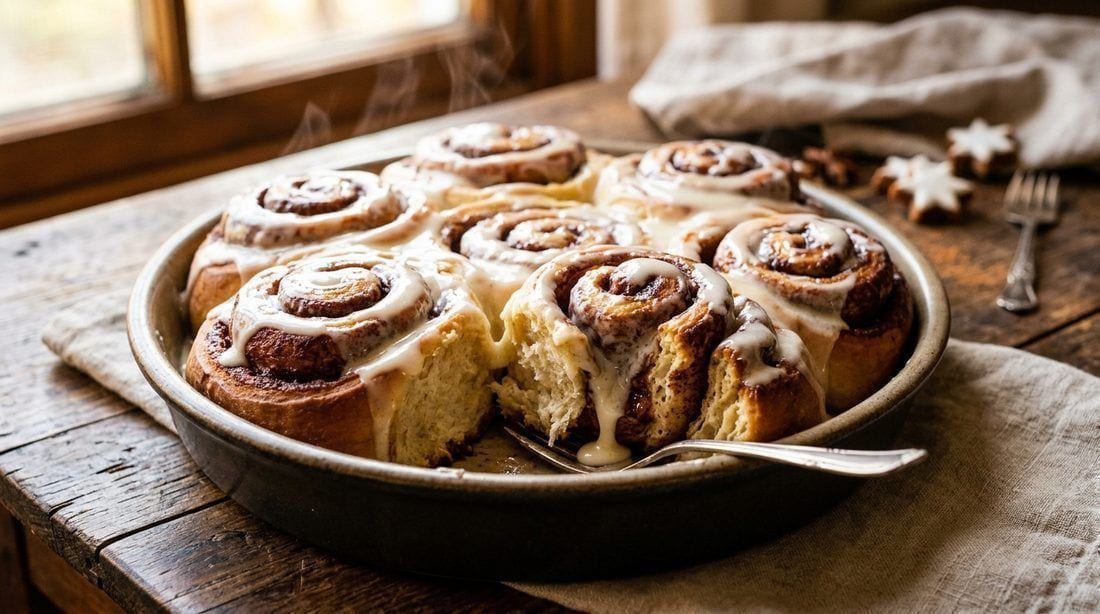
Bake: preheat the oven to 350°F (175°C) while the rolls finish rising. Bake 22–26 minutes until the tops are deep golden and the center rolls read 190°F inside — the pan will look glossy where the filling has melted into caramel. Pull them while the centers are still just soft; overbaked rolls are dry rolls.
Glaze and serve: beat the cream cheese, powdered sugar, milk, and vanilla until silky. Drizzle generously over the rolls while they are warm so the glaze melts into the seams. Serve warm — they reheat beautifully the next day in a 300°F oven for 8–10 minutes.
Tips for Success
- Warm, not hot, is the milk rule: liquid above 120°F kills yeast and you get a brick. Aim for baby-bath temperature (about 110°F), and if the yeast never foams in step 1, it is dead — start over with fresh yeast rather than baking a disappointment.
- Dental floss is the baker's knife: a sawing knife compresses the spiral and smears the filling out of the roll. Slide plain thread under the log, cross it over the top, and pull — you get picture-perfect rounds every time.
- The rolls must touch in the pan. Touching rolls steam each other's sides and rise upward into soft, tall spirals; spaced-out rolls bake into dry, spread-out individual buns. For extra-gooey center rolls, some bakers pour a tablespoon of cream over the pan right before baking.
- Make ahead: after shaping, cover the pan and refrigerate overnight. In the morning, let the rolls sit at room temperature for 1 hour while the oven heats, then bake as directed — fresh rolls with zero morning work.
Perfect pairings
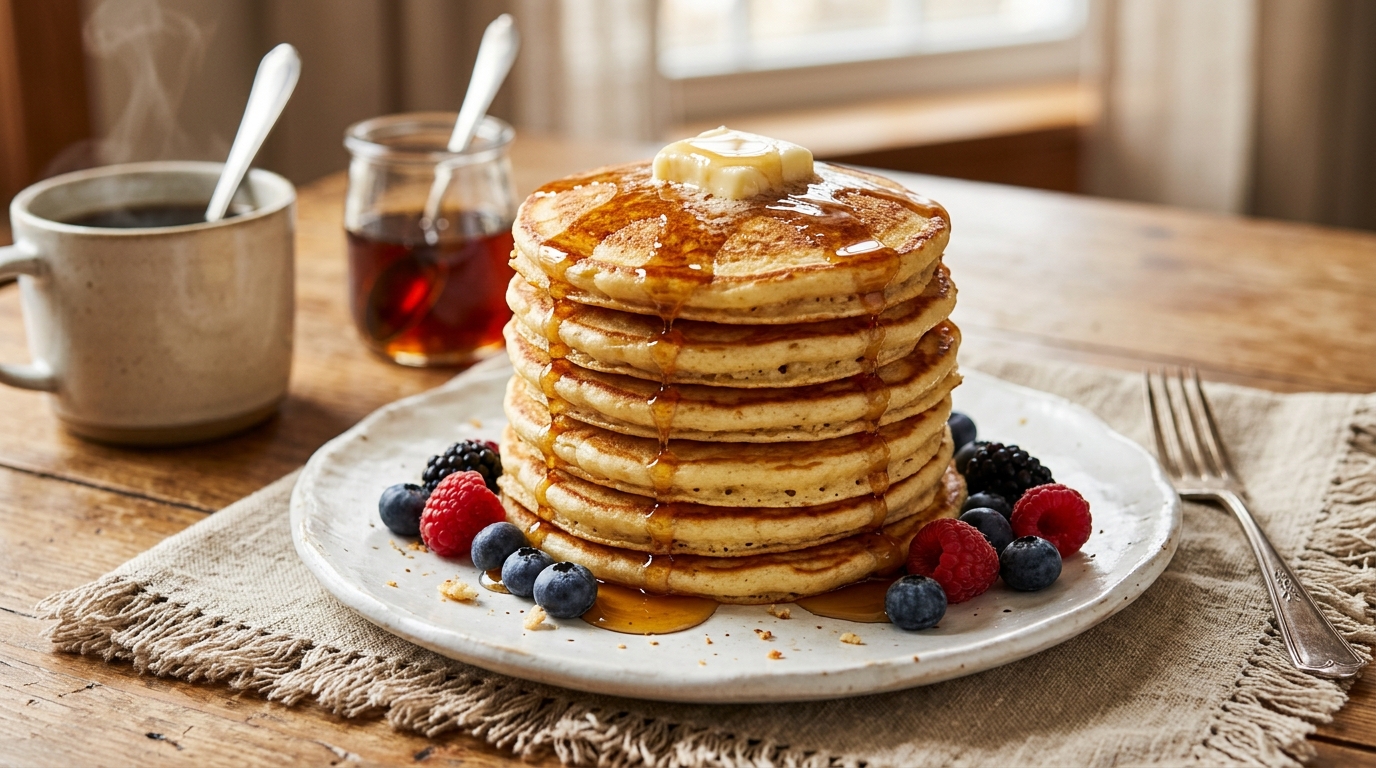
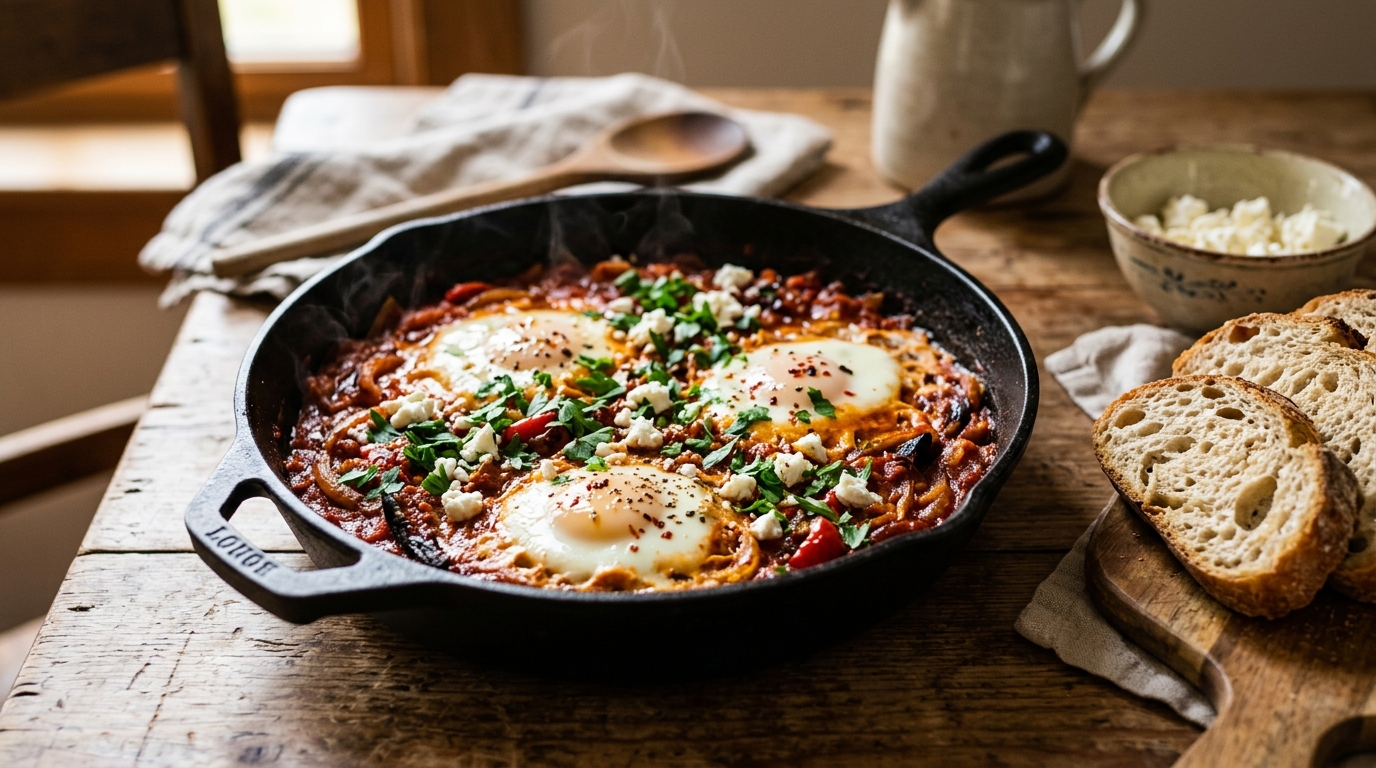
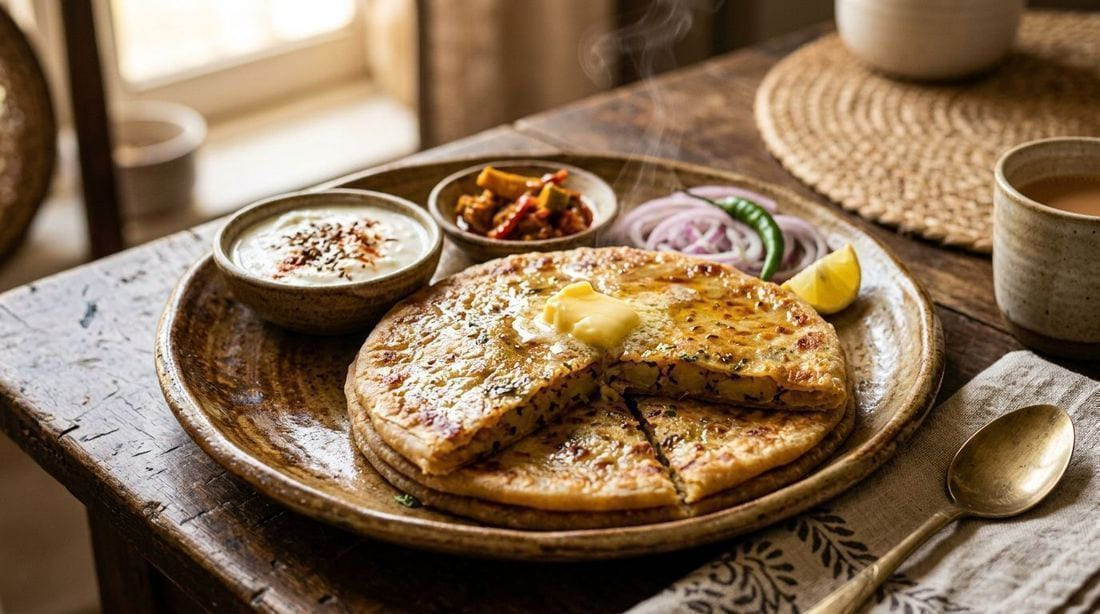
Cinnamon rolls are the weekend-bake anchor — pair them with the fried, griddled, and dunked siblings of the sweet breakfast table.
Frequently Asked Questions
Can I make cinnamon rolls ahead of time?
Yes, two ways. Overnight: shape the rolls, cover the pan, and refrigerate up to 16 hours; the cold slows the yeast so they rise slowly while you sleep, then finish at room temperature for an hour before baking. Baked: fully baked (unglazed) rolls keep 2 days airtight and reheat in a 300°F oven for 8–10 minutes before you glaze them.
Why didn't my dough rise?
Almost always the yeast: either the milk was too hot (above 120°F kills it), the yeast was expired, or the room was too cold for a first rise. Foam in step 1 is your proof of life — no foam after 10 minutes means start over. A cold kitchen is the fixable one: put the covered dough in an oven with just the light on, or over a bowl of warm water.
Can I make the glaze without cream cheese?
Yes — whisk 1 1/2 cups powdered sugar with 3–4 tablespoons milk and 1/2 teaspoon vanilla for a classic pourable sugar glaze. The cream cheese version is tangier and stays softer on warm rolls, but the plain glaze is the traditional diner style and sets with a crackly finish.
Can I make cinnamon rolls ahead of time?
Yes, two ways. Overnight: shape the rolls, cover the pan, and refrigerate up to 16 hours; the cold slows the yeast so they rise slowly while you sleep, then finish at room temperature for an hour before baking. Baked: fully baked (unglazed) rolls keep 2 days airtight and reheat in a 300°F oven for 8–10 minutes before you glaze them.
Why didn't my dough rise?
Almost always the yeast: either the milk was too hot (above 120°F kills it), the yeast was expired, or the room was too cold for a first rise. Foam in the first step is your proof of life — no foam after 10 minutes means start over with fresh yeast. A cold kitchen is the fixable one: put the covered dough in an oven with just the light on, or over a bowl of warm water.
Can I make the glaze without cream cheese?
Yes — whisk 1 1/2 cups powdered sugar with 3–4 tablespoons milk and 1/2 teaspoon vanilla for a classic pourable sugar glaze. The cream cheese version is tangier and stays softer on warm rolls, but the plain glaze is the traditional diner style and sets with a crackly finish.
Affiliate disclosure: this page contains affiliate links. If you buy equipment through them, Cuisinety earns a small commission at no extra cost to you — it keeps the site free. Picks follow the same research-backed standards as our gear guides. Read ourfull affiliate disclosure.
Browse All Recipes →
Love this recipe? Pin it!
Save it to your Pinterest board so you can find it later.
Pin this Recipe