Sear the beef: pat the chunks completely dry and season all over with 1 teaspoon of the salt and the pepper. Heat the oil in a heavy Dutch oven over medium-high until it shimmers, then sear the beef in two batches, 4–5 minutes per side, until a deep brown crust forms on every face — about 15 minutes total. Color is flavor; do not rush this step or crowd the pot. Transfer the seared beef to a plate.
Build the base: drop the heat to medium, add the onions, and cook for 5–6 minutes until soft and translucent, scraping up the browned bits from the bottom of the pot. Add the garlic and tomato paste and cook for 1–2 minutes, until the paste darkens brick-red and smells sweet.
Blend the cilantro sauce: while the onions cook, blend the cilantro, ají amarillo, cumin, oregano, and 1/2 cup of the beef stock in a blender until completely smooth and vividly green — no leafy specks should remain. This purée is the entire sauce, so blend it longer than feels necessary.
Start the braise: return the beef (and any juices from the plate) to the pot, pour in the cilantro sauce, the beer, and the remaining stock — the liquid should come about two-thirds up the beef, not over the top. Bring to a bare simmer, cover with a tight lid, and reduce the heat to low. Braise for 1 1/2 hours without lifting the lid.
Add the potatoes and peas: after 1 1/2 hours, check the beef — it should be starting to yield. Nestle the potato chunks into the sauce around the beef, add the peas, re-cover, and continue braising for another 30–40 minutes, until the potatoes are tender and the meat pulls apart with gentle fork pressure.
Reduce and finish: lift the beef and potatoes onto a warm platter and tent loosely with foil. Skim the fat from the sauce, then simmer it uncovered over medium heat for 8–10 minutes until it reduces to a glossy, spoon-coating consistency. Stir in the lime juice off the heat, taste, and adjust with the remaining 1/2 teaspoon salt.
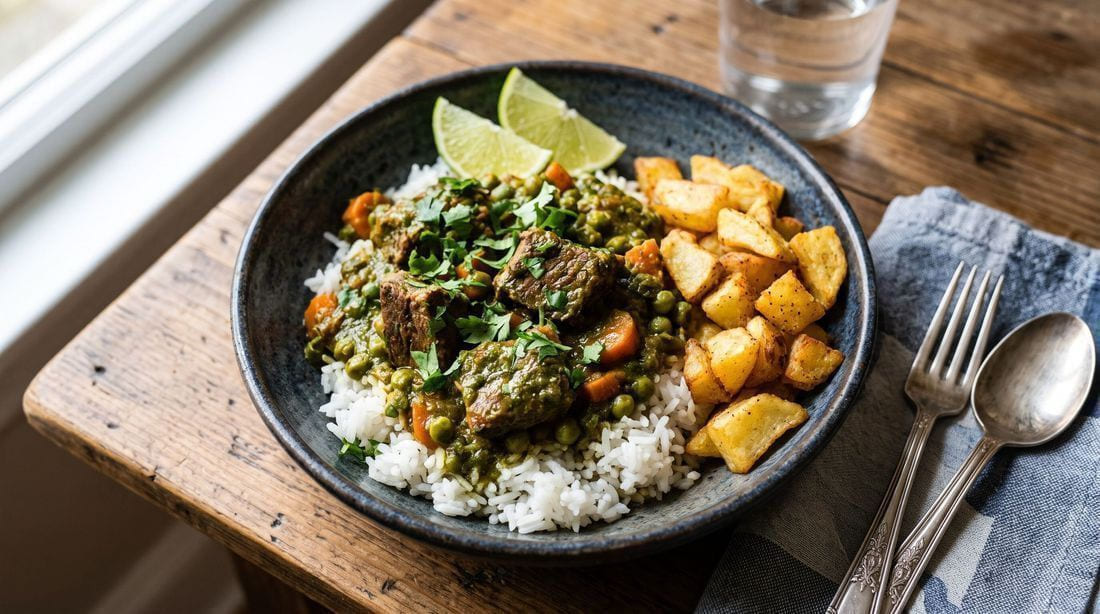
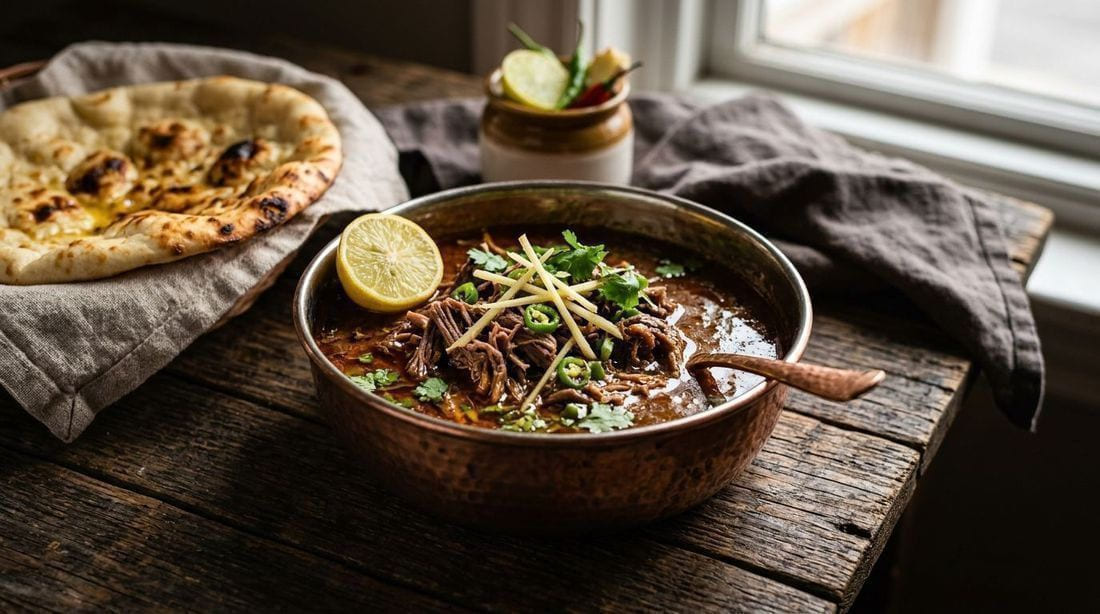
Serve: return the beef to the pot, nestle it back into the green sauce, and shower with extra cilantro. Bring the whole pot to the table over steamed white rice with fried potatoes or yucas alongside and plenty of lime wedges — the sauce is the point, and the lime is what makes it sing.
What cut of beef is best for seco de res?
Chuck roast is the classic and the best choice — it is well-marbled and full of connective tissue that turns to gelatin over a slow braise, which is exactly what gives seco de res its fork-tender pull and its rich, sauce-gripping texture. Boneless short rib is a luxurious second (more fat, more depth), and bottom round works on a budget but stays a little leaner. Avoid eye of round or top round: they have almost no fat or collagen, and no braise length makes them tender — they end up dry and stringy no matter how low and slow you go.
Can I make seco de res without ají amarillo?
Yes, with a small honest trade-off. The closest substitute is a seeded habanero blended with a yellow bell pepper — the bell pepper supplies the fruity body and the habanero supplies the heat, which is what ají amarillo does in one chile. A jar of ají amarillo paste (widely sold in Latin markets and online) is the easiest swap at 2 tablespoons. If you want the dish to be milder, a jalapeño plus a yellow bell pepper works too, and the cilantro, cumin, and lime still carry the recipe — the flavor is green and bright, just a little less Peruvian.
How do I store and reheat leftover seco de res?
Refrigerate the stew (beef, potatoes, and sauce together) in an airtight container for up to 3 days, or freeze it for up to 3 months — the potatoes soften slightly in the freezer but the sauce holds beautifully. Reheat gently over low heat, loosening with a splash of stock or water if the sauce tightens, and add a fresh squeeze of lime off the heat to wake the cilantro back up. Leftover seco de res spooned over rice the next day is a genuinely excellent Lima lunch in its own right.
Why is my seco de res bitter?
Bitterness almost always traces to the cilantro purée: old cilantro (yellowing leaves, woody stems), or the sauce boiled hard instead of braised at a bare simmer, which turns the herb’s brightness flat and grassy. Use the freshest cilantro you can find — leaves and tender stems only — blend it raw, and keep the braise at a gentle tremble. A pinch of sugar and a final squeeze of lime off the heat rounds out any remaining edge; a splash of the beer at the end also lifts the sauce back to bright.
Can I make seco de res in a slow cooker or Instant Pot?
Yes, with honest trade-offs. Slow cooker: sear the beef and build the base on the stove first, then cook on low for 8 hours (add the potatoes and peas for the last 90 minutes), and reduce the strained sauce on the stove at the end for the glossy finish. Instant Pot: sear on sauté mode, pressure-cook on high for 40 minutes with a full natural release, then add the potatoes and cook 10 minutes more at pressure. Neither matches the Dutch oven’s reduction exactly, but both deliver a genuinely good seco de res.
What do you serve with seco de res?
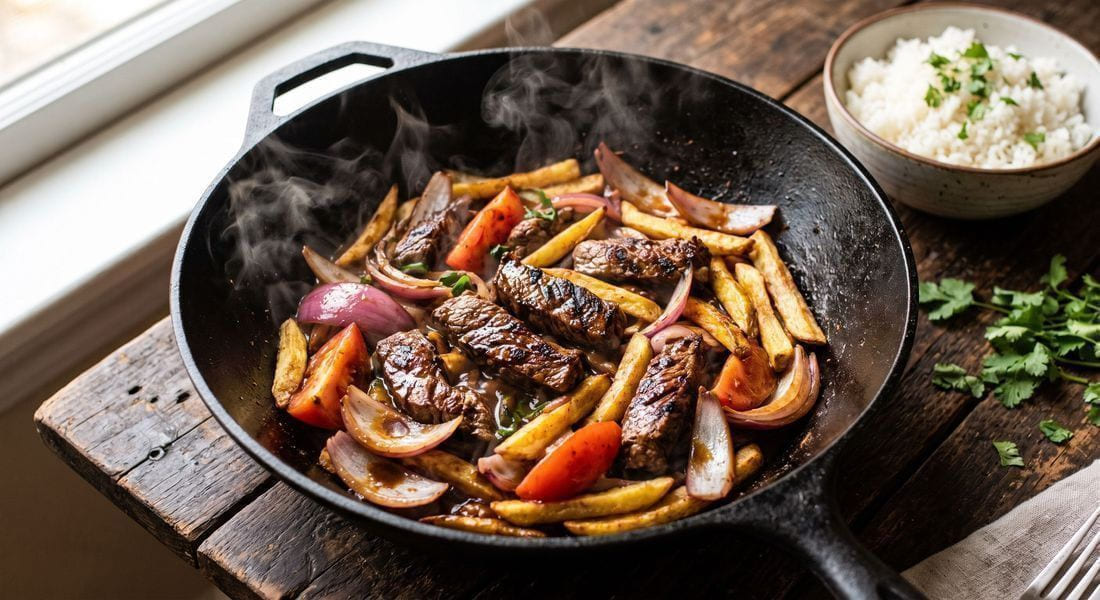
The Peruvian table is the answer: steamed white rice as the bed, fried potatoes or yucas as the crispy side, and lime wedges as the non-negotiable finish — the sauce has three places to land, which is the whole point. A simple side of sarza criolla (red onion, tomato, and lime) or a fresh salsita cuts the richness. Bread is the backup if you want something to drag through the sauce, and if the table wants another Peruvian beef night, lomo saltado is the wok-fire cousin that shares the plate.