Breakfast · 14 hours (mostly hands-off soaking and fermenting) · By Zainab
Masala Dosa (Crispy Rice Crepe)
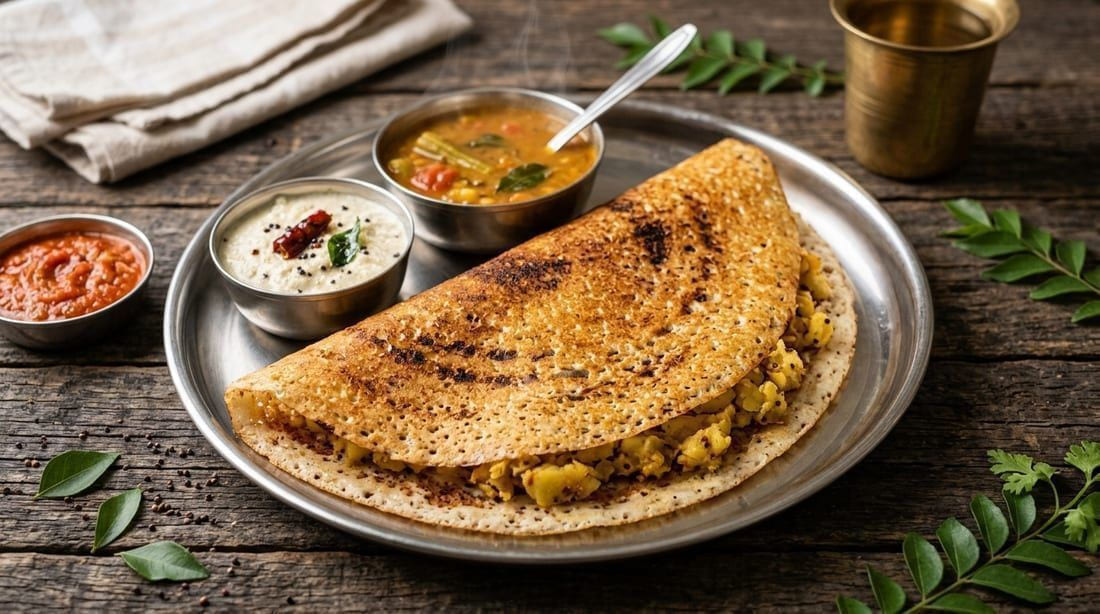
Masala dosa is the dish that proves patience is an ingredient. The night before, rice and urad dal soak; after a turn through the blender, the batter sits in a warm corner and does the real work itself, swelling and souring and building the tiny bubbles that turn into those famously crisp, lacy edges on a hot tawa. Nothing else in the South Indian breakfast canon delivers this contrast: a crepe thin enough to see light through, shatteringly crisp outside, soft and faintly tangy where it folds, wrapped around a spoonful of potato masala — potatoes tempered with mustard seeds, curry leaves, and turmeric until every cube is golden and fragrant. It arrives with sambar and coconut chutney, and the rules of eating are simple: break, dip, and go. The beauty is that the batter makes enough for several mornings, keeps in the fridge for days, and actually improves as it rests — so the hard part happens once, and the reward repeats. Pair the feast with a mango lassi or a proper filter coffee, and keep a palak paneer or butter chicken night on deck for when the craving drifts from breakfast to dinner.
40 minutes (plus soaking) prep45 minutes cook14 hours (mostly hands-off soaking and fermenting) total6 servingsMedium~310 calories per serving
By ZainabPakistani & Desi Kitchens · Pakistani & Desi Kitchens
✓ Method-reviewed by our editors
Ingredients
6
2 cups (380 g) idli rice or short-grain rice (sona masoori or parboiled rice), rinsed
1/2 cup (100 g) urad dal (split and skinned black gram)
1/4 teaspoon fenugreek seeds (methi)
1 1/2 teaspoons fine sea salt (added after fermenting)
Neutral oil or ghee, for crisping the dosas
1 1/2 lb (700 g) Yukon gold or red potatoes, cut into 1/2-inch cubes
1 medium yellow onion, finely chopped
1 teaspoon black or brown mustard seeds
1 teaspoon chana dal (optional, for crunch)
1-2 green chilies, sliced into rounds
10-12 fresh curry leaves
1/2 teaspoon ground turmeric
2 tablespoons neutral oil, plus a pinch of asafoetida (hing) if you have it
Sambar and coconut chutney, to serve
Instructions
Soak: rinse the rice and fenugreek together, and the urad dal separately, then soak both in plenty of water for 6 hours (the dal will roughly double and feel plump and springy). Drain the dal, reserving its soaking water for grinding.
Grind: in a high-powered blender or wet grinder, blitz the drained urad dal with 3/4 cup fresh cold water until light, glossy, and fluffy — when a drop of batter floats in water, it is ready. Scrape it into a big bowl (it needs headroom to double). Blend the drained rice and fenugreek with 1 to 1 1/4 cups water until smooth with a fine, faintly gritty texture (that grit is what makes lacy edges). Combine the two batters with your hand, whipping in a little air as you mix.
Ferment: cover the bowl loosely and set it somewhere warm (78–85°F/25–29°C is ideal) for 8–12 hours. You are looking for a risen, bubbly batter with a gentle sour smell — volume up by roughly half or more, texture foamy at the top. In a cold kitchen, warm the oven briefly, switch it off, and put the bowl in with the light on.
Season: stir in the salt (never before fermenting — salt slows the culture down), and add water a tablespoon at a time until the batter pours like thick pancake batter and spreads thin on a spoon test.
Make the potato masala: heat 2 tablespoons oil in a wide skillet over medium and pop the mustard seeds. Add the chana dal, green chilies, curry leaves, and asafoetida, then the onion, and cook until soft and translucent, 4–5 minutes. Add the turmeric and the cubed boiled potatoes with a splash of water and salt, and mash roughly — some cubes break down to bind the rest into a thick, golden, spoonable mass. Hold warm.
Cook the dosas: heat a cast-iron tawa or heavy flat skillet over medium until a flick of water dances and evaporates instantly. Rub the surface lightly with oil on a paper towel. Pour a ladleful of batter in the center and use the bottom of the ladle to spiral it outward into a thin, even circle. Drizzle a teaspoon of oil or ghee around the edges, and cook 2–3 minutes until the edges lift and the underside is deep golden with lacy holes — dosas like this one are cooked on one side only. Spoon 2–3 tablespoons of potato masala down the center, fold the dosa over, and slide it onto a plate.
Serve immediately with sambar and coconut chutney — dosas wait for no one, and the first one off the pan is the cook’s tax. Keep any leftover batter in the fridge, covered, for up to 4–5 days; it continues to sour gently, so expect sharper, better flavor by day three.
Tips for Success
Temperature is the whole fermentation game: the batter wants warmth, not heat. Above 95°F/35°C the culture tires and sours without rising; below 70°F/21°C it stalls entirely. The oven-with-light-on trick, or an Instant Pot on yogurt (low) mode for 8–10 hours, makes winter masala dosa possible anywhere.
Grind the dal with cold water and let the blender rest if it warms up — overheated batter ferments weak and slack. Fluffy, aerated dal batter at grinding time is what gives dosa its crisp lift later.
The first dosa is a calibration shot, not a failure: it sets the pan’s temperature and seasoning. Wipe the tawa with the oiled towel between dosas, adjust heat between medium and medium-low, and by the third one you will have the rhythm — thin pour, quick spiral, patient gold.
Perfect pairings
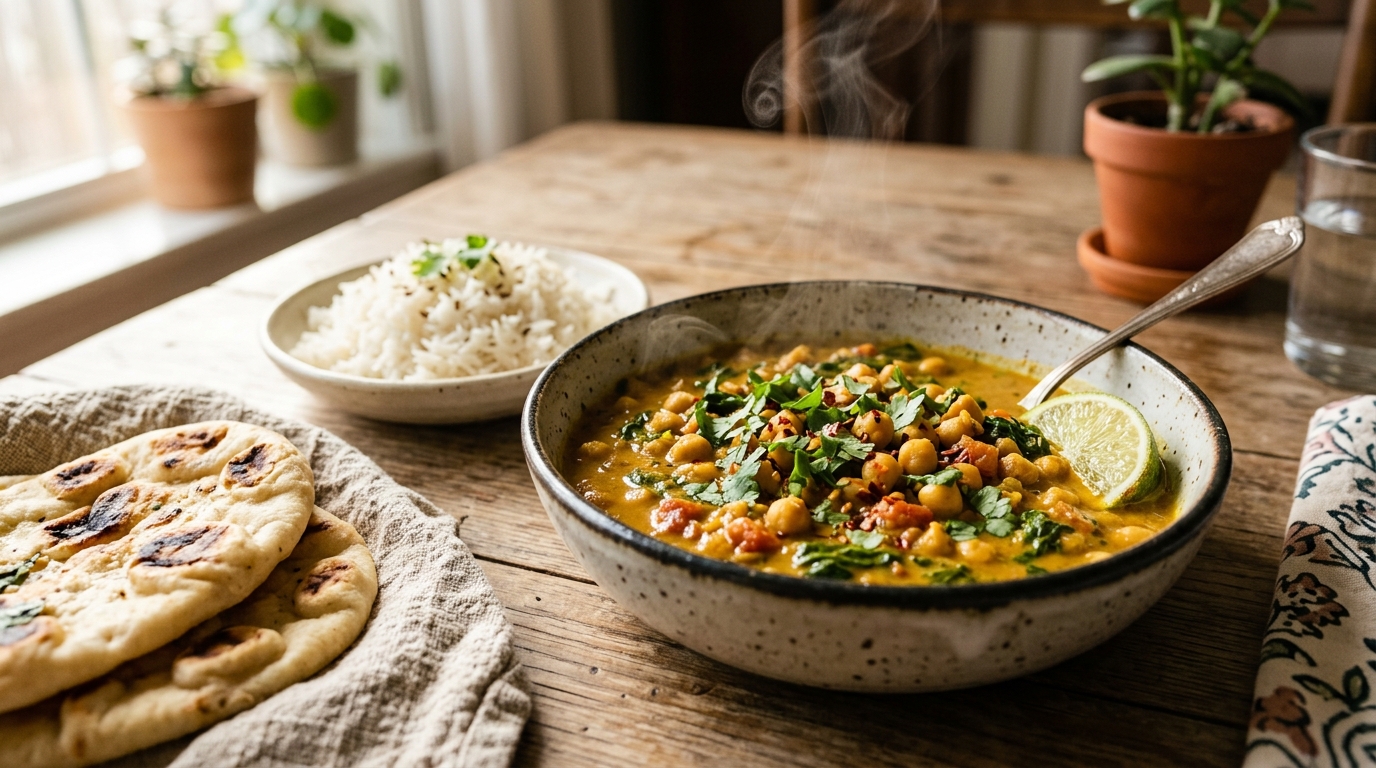
Masala dosa is the tawa-crisp anchor of the South Indian breakfast table — pair it with the cooling, the creamy, and the green halves of the same spread.
My dosa batter did not rise or ferment — what now?
Diagnose in order: temperature first (the usual culprit — move the bowl somewhere genuinely warm, or give it 2–4 more hours in the oven with the light on), then freshness of the urad dal (old dal can ferment slowly or not at all; buy from a shop with turnover), then salt (added early, it stalls fermentation — stir it in now instead). In a last resort, stir in 1/8 teaspoon of baking soda: the batter will not gain the true sour flavor, but it will puff and the dosas will crisp acceptably.
Why do my dosas stick to the pan or refuse to crisp?
Sticking is almost always temperature or seasoning: the tawa must be hot enough that water flicked on it beads and vanishes, and cast iron benefits from a quick oil rub before the first pour of the session. If the batter grips mid-cook, the heat is too low — the dosa steams instead of setting. No crispness usually means batter that is too thick (thin it toward pancake-batter flow), a heavy pour (aim for a thin circle you can almost see through), or a pan that was wiped too oily before pouring, which steams rather than fries the base.
Can I make dosa without fermenting the batter?
You can make a quick batter version — blending rice flour, urad dal flour (or soaked, ground dal), and a pinch of baking soda — and it produces an acceptable thin crepe. What you lose is the soul of dosa: the tang, the aroma, and the lacy fermentation-made holes that give the classic its texture. If you plan ahead even a day, a real overnight ferment is barely any effort and vastly better; consider the no-ferment version a backup, not a shortcut to the same dish.
How far ahead can I make dosa batter, and can I freeze it?
The batter is the ultimate make-ahead component: it holds 4–5 days refrigerated in a covered container (leave a little headroom — it keeps breathing) and genuinely improves as it sours, so day-three dosas are often the best of the batch. Freezing works too: portion cooled batter into airtight containers or flat freezer bags and thaw overnight in the fridge, then rest 2–3 hours at room temperature and whisk to re-loft the bubbles. Expect slightly weaker rise than a fresh ferment, but the crisp and the tang survive.
What can I substitute for urad dal, and can I skip the fenugreek?
Urad dal is the structural heart of dosa — its proteins build the foam that ferments and crisps — so a true substitute is hard. Split-skinned urad is the standard; whole urad with skin gives a rustic, darker dosa. Fenugreek is far more negotiable: it deepens the aroma and aids fermentation, and omitting it costs you a little fragrance but not the dosa itself. Rice substitution matters more: use short-grain or parboiled rice (or idli rice) rather than long-grain basmati, whose low starch can make batter that spreads but never crisps properly.
What do you serve with masala dosa?
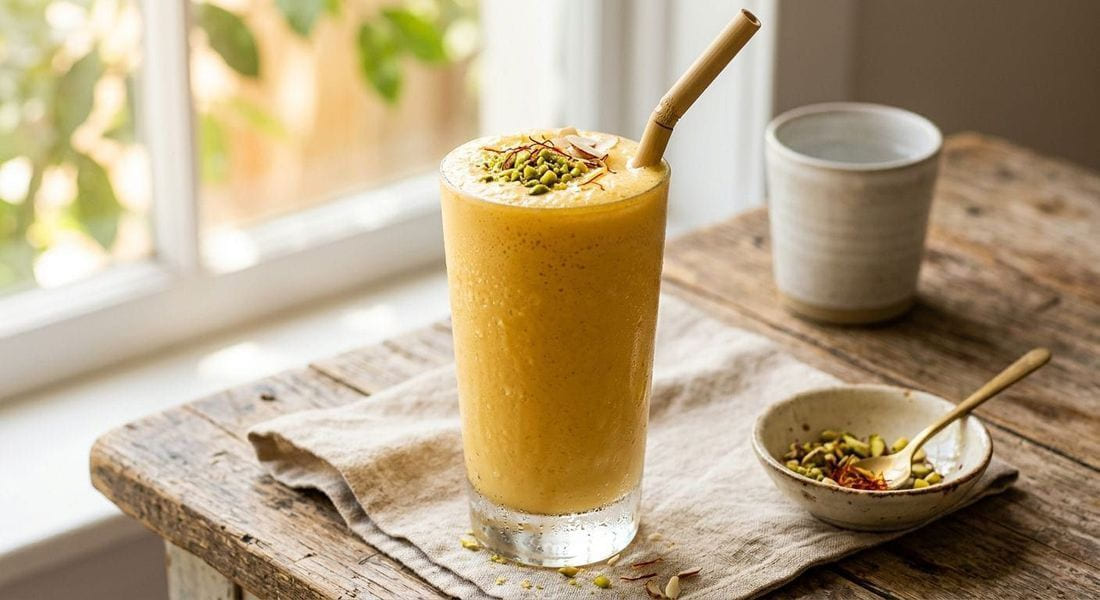
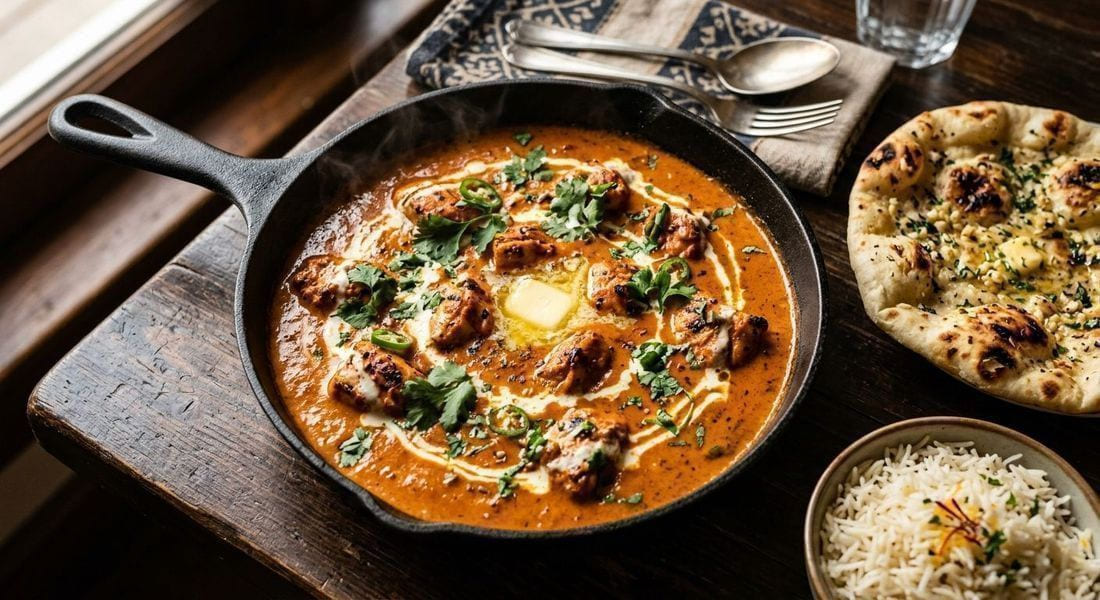
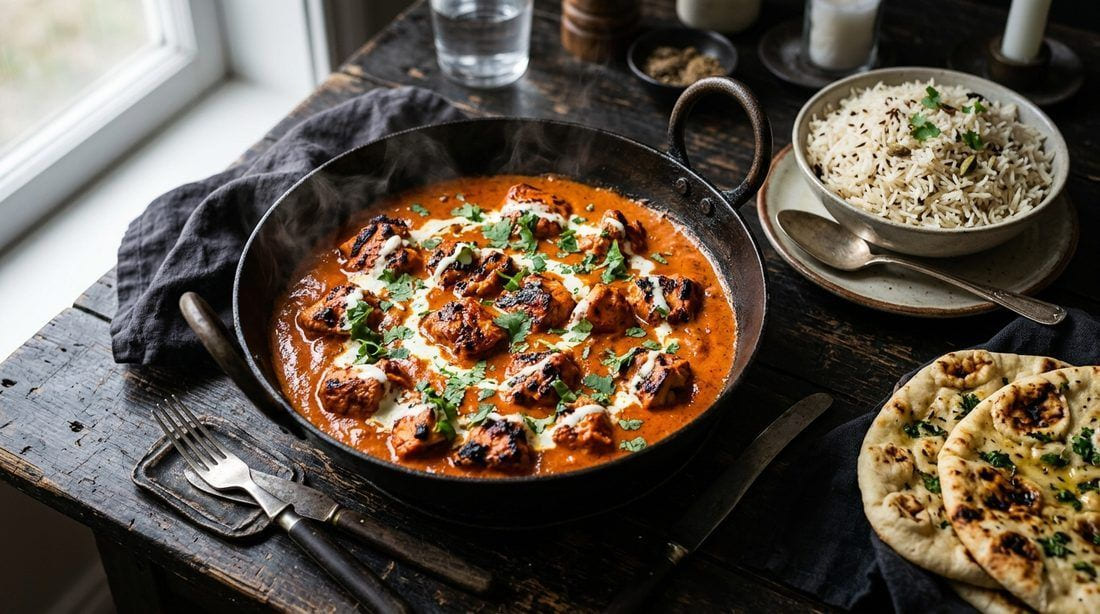
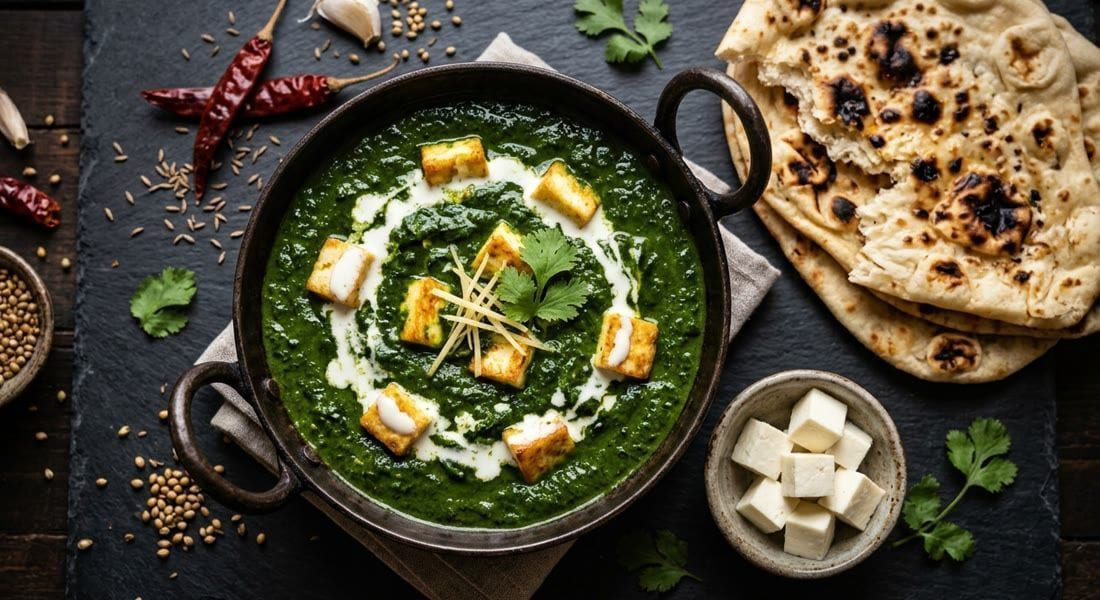
The classic tray is sambar (a lentil-and-vegetable tamarind stew) for dunking, plus at least one coconut chutney — often two or three varieties, plain, tomato, or herb — for swiping. A 30-second mango lassi is the traditional coolant, and a cup of South Indian filter coffee closes the meal the way a Spanish bar closes tapas. If the dosa craving moves to dinner hours, the same table carries over beautifully: butter chicken or palak paneer alongside a stack of dosas makes a genuinely great evening spread.
Affiliate disclosure: this page contains affiliate links. If you buy equipment through them, Cuisinety earns a small commission at no extra cost to you — it keeps the site free. Picks follow the same research-backed standards as our gear guides. Read ourfull affiliate disclosure.
Equipment I Used
High-powered blender or wet grinder:UK - US - IT - AU - DE - FR - ES - UAE
Cast-iron tawa or flat griddle:UK - US - IT - AU - DE - FR - ES - UAE
Deep ladle (for pouring and spiraling the batter):UK - US - IT - AU - DE - FR - ES - UAE
Large mixing bowl (with room for the ferment):UK - US - IT - AU - DE - FR - ES - UAE