Marinate: whisk 3 tablespoons of the yogurt with the ginger-garlic paste, 1 teaspoon of the Kashmiri chili powder, turmeric, coriander, black pepper, 1 teaspoon of salt, and the lemon juice in a large bowl. Add the chicken cubes and toss until evenly coated. Rest for 30 minutes at room temperature, or up to 2 hours in the fridge. Do not add the flours yet — a wet, salty marinade seasons the meat; the shell is built later.
Build the fry coat: just before frying, add the egg white, cornstarch, and rice flour to the bowl and mix until every cube wears a thick, tacky, even coating — no dry powder left at the bottom. It should look like wet red mortar, not batter; add a teaspoon of water only if it will not come together.
First fry: heat 2 1/2–3 inches of oil in a kadai, wok, or heavy pot to 350°F (175°C). Fry the chicken in 3 batches, keeping the pieces in a single layer, for 4–5 minutes per batch until pale gold and just cooked through. Move each batch to a wire rack or paper towels. Let the oil come back to 350°F between batches — crowding is where crispness goes to die.
Second fry (the restaurant move): raise the oil to 375°F (190°C) and return the chicken in batches for 45–60 seconds, until deep golden and audibly crisp at the edges. This fast blast blisters the coating so it stays crunchy even after the glaze. Drain on a fresh rack.
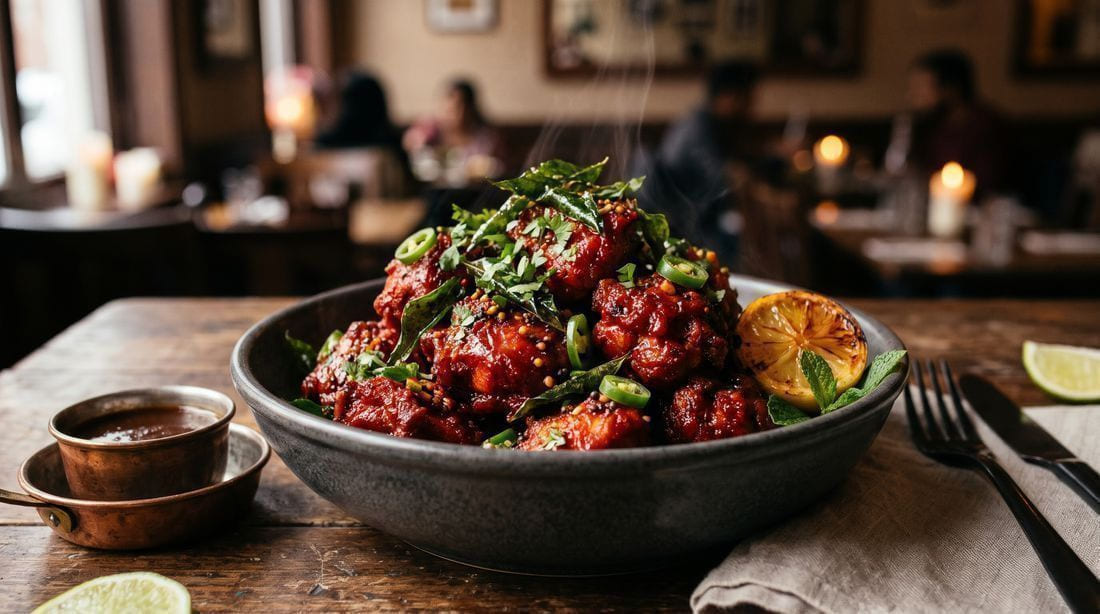
Temper: heat the 2 tablespoons of oil in a wide pan or clean wok over medium-high. Add the mustard seeds and wait for them to pop (about 20 seconds), then add the curry leaves — stand back, they spit — followed by the sliced garlic. Fry until the garlic turns pale gold and the leaves go glassy-crisp, about 1 minute, then add the green chilies for the last 30 seconds.
Glaze: drop the heat to low, add the remaining 2 teaspoons of Kashmiri chili powder, and stir for just a few seconds — enough to bloom it red, never long enough to scorch it bitter. Add the remaining 1/4 cup yogurt and the water, swirling the pan until the tempering turns into a loose, glossy red sauce. Taste and add the last 1/2 teaspoon of salt if it needs it.
Finish: tip all the fried chicken into the pan and toss with a wide spatula for 30–45 seconds, until every piece is coated and still crackling. Serve immediately on a warm platter with lemon wedges and thin-sliced red onion — chicken 65 waits for no one, and the crunch is the point.
Can I use chicken breast instead of thighs?
Yes, but treat it differently — breast is leaner and dries out faster under a double fry. Cut it slightly larger (2-inch cubes so the interior stays juicy), pull the marinade time down to 20 minutes so the lemon does not "cook" the surface, and shave the first fry to 3–4 minutes. Thighs are the traditional and more forgiving choice: their fat carries them through both fries without tightening, which is why restaurant versions almost always use boneless thigh meat.
Why did my chicken 65 turn out soggy instead of crisp?
The usual culprits, in order of likelihood: the oil was too cool (below 340°F the coating drinks oil instead of crisping), the batches were crowded (each piece needs its own oil real estate), the flours went in with the marinade and stewed instead of fried, or the chicken was glazed too long before serving. Fix them in order: use a thermometer and hold 350°F, fry in 3 small batches, build the cornstarch coat right before frying, and toss with the tempering for under a minute — glaze it at the table, not five minutes before.
How spicy is chicken 65, and can I dial the heat down?
As written it is a medium-hot dish with a slow, glowing burn rather than a shock — most of the heat comes from the green chilies and the tempered chili, not the Kashmiri powder, which is mild. For a family-friendly version, cut the green chilies to 2, keep them whole instead of slit, and fish them out before serving (they have given up their flavor without shedding their seeds). Do not reduce the Kashmiri chili — it is the color and the sweet pepperiness, not the fire, and the dish loses its identity without it.
Can I make chicken 65 in an air fryer?
You can get a genuinely good version, with one honest trade-off: you lose the wok-tossed gloss of the tempering glaze unless you make it separately. Marinate as directed (hold back the flours), then toss the chicken with the cornstarch, rice flour, and egg white and air-fry at 390°F for 12–14 minutes, shaking the basket twice and spraying or brushing the pieces lightly with oil so the coating crisps instead of going chalky. Meanwhile make the tempering — mustard seeds, curry leaves, garlic, green chilies, chili powder, and the yogurt glaze — in a pan on the stove, and toss the air-fried chicken through it. The coating will be lighter and more even than deep-fried, a little less blistered, but the curry-leaf flavor still comes through loud.
Can I marinate chicken 65 ahead of time?
The spiced yogurt marinade holds beautifully — up to 12 hours in the fridge, covered, and the flavor only deepens. But keep the egg white and the flours out until the moment before frying: salt draws moisture out of the chicken over time, and that moisture will fight the coating no matter what. If you are prepping for a party, marinate in the morning, add the coating right before the guests arrive, first-fry everything ahead, and hold the pieces on a rack; then do all the second-fries and the tempering in the last ten minutes, which is the only part that takes real attention anyway.
What do you serve with chicken 65?
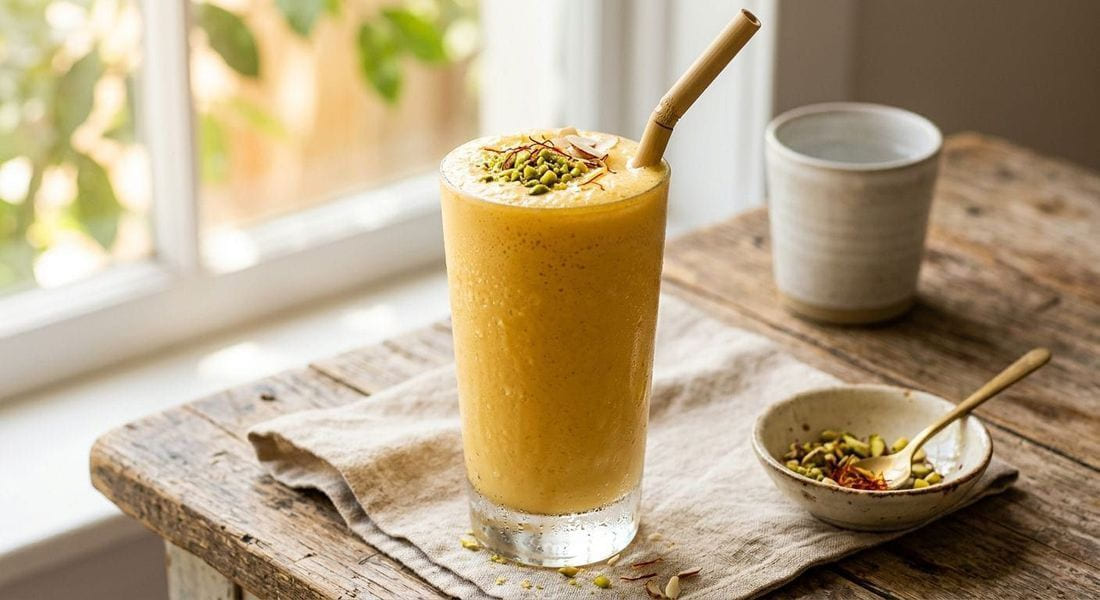
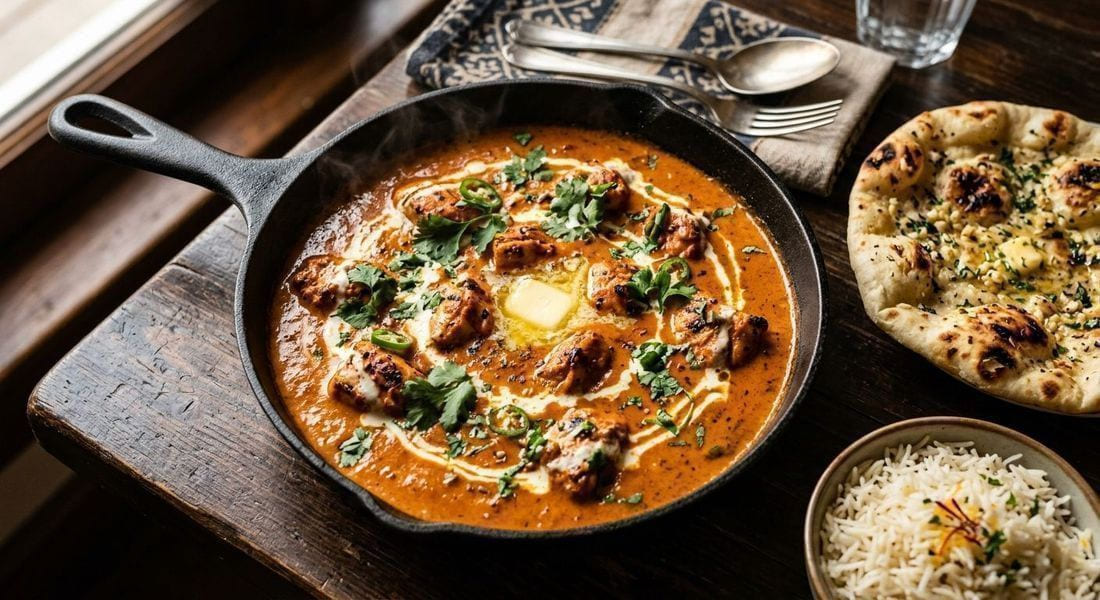
On a Chennai restaurant menu it lands as a starter with lemon wedges and raw onion rings, and that is still the best version — the raw onion cuts the fry oil and the lemon brightens the chili glaze. To build it into a dinner, add a cooling counterpoint: a mango lassi, or plain yogurt raita with a little cucumber. For the curry-heavy nights, it sits happily next to butter chicken or chicken tikka masala as the crisp, fiery counterpoint to a creamy main — and if you have leftovers (rare, but it happens), chop them into fried rice the next day.