Journal · Trending · By Amira
Best of Cuisinety: 102 Tested Recipes You Can Actually Cook
The complete map to Cuisinety's 102 tested recipes, organized by cuisine, with the Moroccan and Pakistani kitchens leading and every dish method-vetted.
 cuisinety
Journal · Trending · By Amira
The complete map to Cuisinety's 102 tested recipes, organized by cuisine, with the Moroccan and Pakistani kitchens leading and every dish method-vetted.
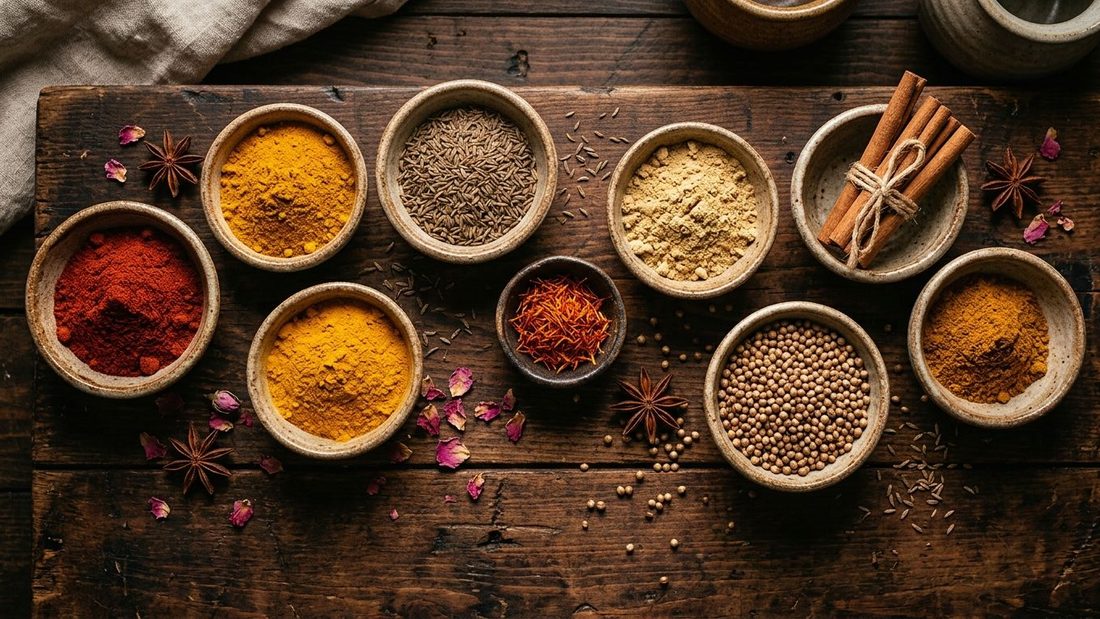
Cuisinety's recipe library stands at exactly 102 recipes as of October 2026, and this guide is the map to all of them. The collection leans deliberately into two kitchens: Moroccan cooking with 26 recipes and Pakistani cooking with 20. Around that core sit American comfort food (14 recipes), Mexican (9), European classics (8), Asian (6), Mediterranean (6), Italian (5), and Middle Eastern (4). The imbalance is the point. Rather than skimming a hundred cuisines two recipes deep, the site went where the cooking rewards depth.
Depth matters because these are dishes that do not forgive guesswork. A tagine that boils instead of braises turns chalky. Harira thickened with a carelessly added flour slurry tastes of raw flour. A counted, organized library means you can pick a lane and build actual skill instead of collecting bookmarks.
Every recipe named below links to a full recipe page, and every page carries Cook's notes: the pitfalls, key steps, and quirks laid out before you ever heat a pan.
Testing here means method analysis, not a chef posing beside a finished plate. Each recipe is worked through step by step to find where home cooks reliably go wrong: which instruction hides a trap, which stage looks wrong when it is right, and which shortcut ruins the dish. Those findings are written into the Cook's notes on every recipe page in three parts: a pitfall to avoid, the key step that decides the outcome, and a quirk that looks like a mistake but is not.
The notes never stage a first-person kitchen diary. the voice stays on the method itself: what the technique does, why the failure happens, and how to see it coming. That keeps the advice checkable. If a note says the prunes and honey go into the lamb tagine only during the final uncovered reduction, the reason sits beside it: a full cook time dissolves the fruit into flat sweetness while the honey scorches the pot.
More than 20 of the 102 are named below, each with one line on what makes it trustworthy.
The Moroccan section runs from weeknight tagines to Ramadan sweets, and its notes do real work. The 5-Ingredient Moroccan Tagine is trustworthy precisely because its restraint is documented: the notes warn that green olives and preserved lemon rind already salt the pot, so a heavy hand at the start turns the reduced onion sauce briny. Chicken Tagine with Preserved Lemon and Olives spells out the sealed low braise that keeps the lid down for the first 45 minutes, because lifting it releases the steam that becomes the sauce.
Sweet and Savory Moroccan Lamb Tagine with Prunes and Almonds pins the honey and fruit to the final 15 to 20 minutes so the glaze turns glossy instead of scorched. Moroccan Kefta Tagine with Eggs targets molten yolks: crack them into shallow wells, pull the pan at just-set whites, and let the hot sauce finish the job. Moroccan Harira Soup exists in its true form only because the notes insist the tedouira slurry be re-whisked and drizzled in a thin stream, which is the difference between a silky body and raw flour dumplings.
The breads and sweets carry the same discipline. Flaky Moroccan Msemen demands oil instead of flour on the work surface, because the oil trapped between folds is literally what creates the layers. Baghrir, the thousand-hole pancakes, must never be flipped, and the batter needs its full 30-minute rest for those craters to form. Kaab el Ghazal, the gazelle horns, are pulled from the oven pale; color means overdone. Moroccan Mint Tea documents the leaf-washing step and the high aeration pour. Behind these stand Moroccan Seven-Vegetable Couscous, Chebakia, Zaalouk, Chicken Bastilla, Moroccan Fish Tagine with Chermoula, Sfenj, Amlou, and Sellou, each with its own documented failure points.
The Pakistani collection covers everything from celebratory rice to street food, written for home stoves rather than restaurant burners. Chicken Biryani breaks the layered saffron-and-masala build into a sequence a first-timer can follow. Nihari, the slow-simmered beef shank stew, is scheduled in stages so the long cook fits a real week. Haleem does the same for the lentil, wheat, and beef porridge that normally demands an entire day.
Chicken Karahi states its heat levels in plain stovetop terms so the tomato-ginger masala reduces properly without scorching. Chapli Kebab documents the fat ratio and pan temperature that make the patties crisp at the edges instead of steaming in their own juice. Aloo Paratha assumes a home rolling pin and a standard skillet, not a tandoor, and Daal Chawal gives beginners the everyday lentils-and-rice anchor of the whole cuisine.
Halwa Puri turns the fried-bread breakfast into a weekend project with frying temperatures written down, while Samosa, Pakora, Seekh Kebab, Chicken Pulao, and Saag fill out the snacks, rice, and greens. Twenty recipes is enough to cook the cuisine for a month without repeating yourself.
The American and Italian recipes are the weeknight workhorses, and their trustworthiness comes from explicit cues instead of vague timing. Lemon Herb Roast Chicken gives salting and resting instructions that end in clean slices. Classic Chocolate Chip Cookies describes the dough handling and bake cues that keep the centers chewy. Fluffy Buttermilk Pancakes caps the mixing at the point the batter actually needs, because overmixing is why homemade pancakes turn tough.
Classic Banana Bread pins down ripeness and loaf timing so the crumb stays moist. Spaghetti Carbonara explains the egg-and-cheese emulsion carefully enough that it never scrambles. Creamy Garlic Pasta documents the one-pot starch math that makes its sauce, Baked Cheddar Ziti states the saucing ratios that keep it creamy rather than dry, and Mushroom Risotto describes the stock-and-stir rhythm in plain language.
Focaccia rounds out the lane with hydration and dimming steps calibrated for a home oven. These are the dinners and bakes people actually repeat, which is what a comfort section is for.
The Mexican shelf is built around braises and street classics. Birria Tacos splits the braise and the crisping into clear stages so the chile-rich beef shreds and sears properly. The notes earn their keep on Carnitas: crisping the shredded pork in its own reserved skimmed fat is the only thing separating it from ordinary pulled pork. Tacos al Pastor maps the chile marinade onto a skillet, and Chilaquiles Rojos times the sauce and chips so they soften without dissolving.
The Asian recipes fight the takeout gap with documented technique. Pad Thai covers the noodle soak and the wok order that prevents the gummy clump. Chicken Teriyaki says outright that the glaze goes on only after a hard sear, since sauce on un-seared chicken steams the meat gray and reduces into thin syrup. Beef and Broccoli explains the velveting, and Bibimbap is built component by component so every element stays distinct.
The Middle Eastern entries follow suit. Hummus documents the chickpea cooking order that yields a tahini-smooth texture, Falafel keeps the chickpeas soaked rather than cooked and states the frying temperature, and Shakshuka cracks its eggs into wells and finishes them off-heat, the same carryover logic the kefta tagine uses.
The European section handles the classics home cooks fear, and the notes remove the fear by naming the failure. Coq au Vin demands a barely trembling simmer, because boiling tightens the chicken into chalky meat and clouds the wine sauce. Goulash documents when the paprika hits the fat, Wiener Schnitzel covers the breading and pan fat that give the cutlet its puff, Shepherd's Pie layers mash and gravy so the portions slice instead of slumping, and Fish and Chips writes out the batter temperature and frying logic.
The Mediterranean picks run parallel. Spanakopita flags the single point of failure, spinach that was not squeezed bone-dry, which turns the bottom phyllo soggy and slides the pie apart. Moussaka sets the layering timeline that keeps the slices standing, Paella Valenciana works toward the socarrat without a restaurant burner, Souvlaki gives the marinade and skewer cues, and Easy Lentil Soup anchors the section as the weeknight default.
These are the dishes people attempt once and abandon when instructions go vague. Here nothing is vague, and every pitfall named above is written into the Cook's notes of the recipe it belongs to.
Start with a lane, not a list. Pick one cuisine and cook three or four recipes from it in a month; the shared ingredients and techniques compound. Moroccan cooks should open with the 5-Ingredient Moroccan Tagine, Pakistani starters with Daal Chawal and Aloo Paratha, weeknight cooks with the American and Italian shelves.
Read the Cook's notes before you shop, not after something goes wrong. The pitfall line tells you what to watch, the key step tells you where to slow down, and the quirk tells you what to ignore. A note that says zaalouk firms up during its rest, or that baghrir batter separating after its rest is normal, saves you from undoing a correct recipe.
It also covers the rest of the day: six blended drinks including the Green Goddess Smoothie, Mango Lassi, and Watermelon Mint Cooler, plus breakfasts like Creamy Overnight Oats and Freezer-Friendly Breakfast Burritos, and desserts from No-Bake Cheesecake to Cinnamon Rolls. The count will grow, but the standard holds: nothing joins the 102 until its method has been analyzed and its traps written down.
These recipes pair with this article — make them tonight:
Advertisement