Why malted milk is having a moment
Taste of Home just looped malted milk powder back into the mainstream conversation with a roundup of eight recipes that use it far beyond the milkshake — and the timing makes sense. September is the unofficial start of baking season: school bake sales, cooler evenings and the first cravings for something warm and sweet all hit at once, and malted milk sits exactly at that intersection of nostalgia and novelty. It also checks two boxes modern home bakers keep circling: it deepens flavor without adding fuss, and it's a pantry shelf-stable ingredient with a cult following (Ovaltine, Horlicks and malted milk balls have all primed the audience). When a trusted source like Taste of Home pushes an ingredient outside its comfort zone, home cooks pay attention — and search interest follows within days.
From milkshakes and malts to cookies, pancakes and icebox cakes, the recurring promise is the same: a warm, toasty, faintly caramelized note you can't quite get from vanilla, sugar or malt syrup alone. That's the hook — an everyday ingredient upgrade that costs nothing in technique.
How to cook with it at home
Technically, malted milk powder is a mix of wheat flour, malted barley extract, milk and usually a touch of sugar — so it behaves like a flavored dry milk, not a pure sugar. That makes it easy to deploy: start with 2 to 3 tablespoons per cup of flour in cookies, or 1 to 2 tablespoons folded into pancake or muffin batter, and you'll get maltiness without wrecking structure. In cookies, it's magic at about 25 grams per 250 grams of flour — the chocolate chip formula from the classic malted milk cookie — because the malt amplifies the roasted notes of brown sugar and dark chocolate. It also dissolves straight into warm liquid: stir a heaping spoonful into milk for overnight oats, custards or coffee cake glaze without clumping.
The mistakes are small but real. First, don't swap it in for flour one-for-one — it's sweeter and moister than flour and will skew both texture and rise; treat it as a flavor addition, then adjust liquid down by a tablespoon or two if the dough feels slack. Second, taste before you add extra sugar — the powder is already sweet, and recipes roundups like this one work best when you let the malt, not white sugar, do the talking. Finally, for a deeper, toastier profile, bloom the powder in a couple of tablespoons of hot milk or melted butter before mixing; it releases the same nutty compounds you get from browning butter.
Make it part of your week
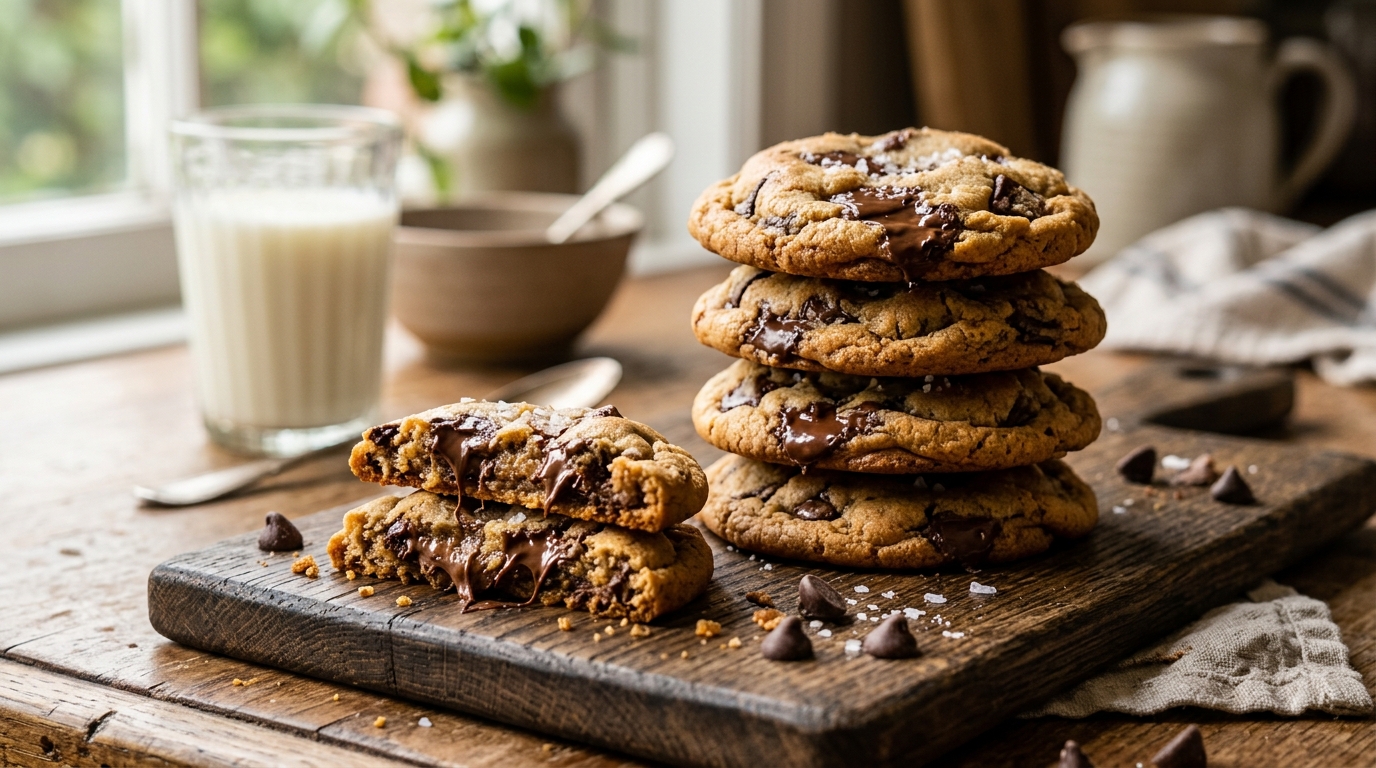
The easiest entry point is a batch of chocolate chip cookies with a few tablespoons of malt stirred into the dry mix — one swap, zero new skills, and they taste distinctly "bakery". From there, work it into weekend pancakes (add a spoonful to the dry mix and skip a little sugar), banana bread, or a no-bake cheesecake crust for a dessert that needs no oven time. Breakfast gets the treatment too: dissolve it into the milk for overnight oats, or blitz it into a malted smoothie with banana and a date. Keep a jar labeled with your ratio (about 2 tablespoons per cup of dry ingredients) near the flour, and the powder becomes a rotating base for cookie, bread, pudding and shake variations all week long — a pantry staple that quietly makes everything taste warmer.